Battery technology powers the countless devices you depend on every single day, from smartphones and laptops to vehicles and power tools. Getting the most out of battery longevity doesn’t just save you money; it also cuts down on electronic waste and keeps your devices ready when you need them most. Whether you’re working with rechargeable lithium-ion batteries or more traditional lead-acid types, how you care for them makes a substantial difference in both performance and lifespan. The strategies outlined here will help you maintain optimal battery health across various applications, keeping power delivery reliable and stretching the time between costly replacements.
1. Optimize Temperature Management
Temperature stands as one of the most significant factors when it comes to battery health and longevity, regardless of battery type. Excessive heat speeds up the chemical reactions happening inside batteries, which accelerates the breakdown of internal components and chips away at overall capacity over time. On the flip side, freezing temperatures can temporarily reduce battery performance, though the damage typically isn’t as lasting as what heat exposure causes. Whenever you can, store batteries in environments between 50 and 77 degrees Fahrenheit, this sweet spot minimizes stress on the battery’s internal chemistry. For devices you use regularly, steer clear of leaving them in hot vehicles, direct sunlight, or anywhere near heat sources like radiators and ovens. Aviation batteries and marine applications need extra attention here since these environments often swing between temperature extremes. When you’re charging batteries, make sure there’s adequate ventilation around the charging area to let heat escape effectively, and never charge batteries in confined spaces where heat buildup becomes dangerous.
2. Practice Proper Charging Habits
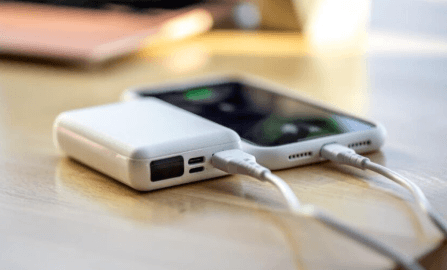
How you charge your batteries plays a huge role in determining how long they’ll maintain peak performance throughout their service life. Modern lithium-ion batteries actually prefer partial charging cycles over the complete drain-and-recharge approach that older battery technologies required. You’ll want to keep battery charge levels hovering between 20 and 80 percent for everyday use, this range takes pressure off battery cells and extends their overall lifespan considerably. Try not to leave devices plugged in constantly after they’ve hit full charge, as this creates voltage stress and generates heat you don’t need.
3. Minimize Deep Discharge Cycles
Letting batteries drain all the way before recharging might seem like common sense, but this habit actually shortens lifespan for most current battery technologies. Deep discharge cycles put considerable stress on battery chemistry, particularly in the lithium-ion and lithium-polymer batteries powering consumer electronics and electric vehicles. You should recharge your devices before they hit critically low levels, ideally before dropping below 20 percent capacity. For applications requiring backup power, such as emergency lighting or uninterruptible power supplies, regular testing keeps batteries charged without subjecting them to deep discharge. Lead-acid batteries used in automotive and aviation applications are especially susceptible to sulfation when left sitting in discharged states for extended stretches. When professionals need to test aircraft starting systems under varying operational conditions, the Gill battery provides reliable performance while resisting the sulfation that damages conventional lead-acid designs during extended storage. If you need to store batteries for long periods, keep them at roughly 50 percent charge and check levels every few months to prevent self-discharge from dropping capacity too low. Setting up low-battery alerts and reminders helps you build consistent recharging habits that protect battery health. When batteries do accidentally run completely dry, recharge them right away rather than leaving them sitting depleted where irreversible damage can take hold.
4. Reduce High-Drain Activities When Possible
Power-hungry operations create heat and stress that speed up battery wear, cutting down the total number of charge cycles batteries can handle throughout their lifetime. You’ll benefit from identifying which activities consume the most power on your devices and dialing back their use when battery conservation matters. For smartphones and tablets, this means turning down screen brightness, limiting video streaming, closing background apps, and switching off unnecessary wireless connections like Bluetooth and Wi-Fi when you’re not using them. Graphics-intensive gaming and video editing are particularly demanding activities that drain batteries fast while generating serious heat.
5. Maintain Clean Contacts and Connections
Taking care of battery terminals and connections physically ensures power transfers efficiently and prevents issues that can hurt both performance and safety. Corrosion, dirt, and oxidation at connection points bump up electrical resistance, which forces batteries to work harder delivering the power you need and creates excess heat in the process. You should regularly check battery terminals for corrosion signs, look for white, green, or blue powdery deposits around metal contacts. Clean terminals using methods appropriate for your battery type, whether that’s a baking soda solution for lead-acid batteries or electronic contact cleaner for smaller rechargeable ones.
See also: The Future of Model Making with AI and Interactive Technology
Conclusion
Getting more life out of your batteries requires steady attention to storage conditions, charging practices, usage patterns, and physical upkeep across all battery-powered applications. When you put these five strategies into practice, you can dramatically increase how long batteries last operationally while keeping performance strong throughout their service life. Managing temperature, developing smart charging habits, avoiding deep discharges, moderating power-hungry activities, and keeping connections clean all work together to shield battery chemistry from wearing out too soon. These practices don’t just save money by cutting down how often you replace batteries, they also support environmental sustainability by reducing electronic waste. Whether you’re managing consumer electronics, vehicle batteries, or specialized power systems, building solid battery care habits delivers real benefits in both reliability and longevity.