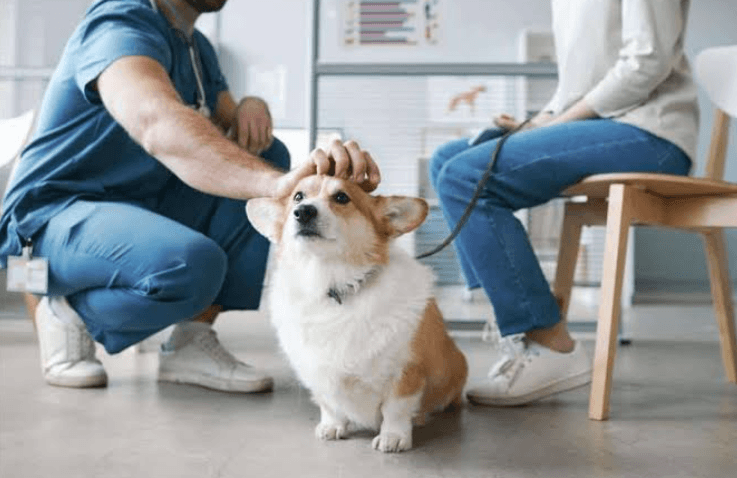
You might feel your stomach tighten the moment you think about a vet appointment. Maybe your dog starts pacing as soon as the carrier comes out, or your cat disappears under the bed the second you pick up the keys. That stress is real, and it can turn even a routine checkup into something you dread. The good news is that a calmer visit is often possible with a little planning, a few small habit changes, and the right support from a general veterinarian or a provider offering veterinary in High River, AB. In short, the best tips for stress free vet visits come down to preparation, timing, comfort, and keeping your pet’s world as predictable as possible.
Because pets pick up on your tension, the whole cycle can feed itself. You worry they will panic, they sense that worry, and by the time you arrive, everyone is already on edge. So, where does that leave you? Usually in the position of wanting to do the right thing for your pet, while also wishing the process felt easier. It can.
Why do veterinary visits feel so hard for some pets and their people?
For many animals, the clinic means strange smells, unfamiliar people, new sounds, and handling they cannot fully understand. Cats often dislike travel and being confined. Dogs may react to crowded waiting rooms, other animals, or the memory of a past visit that felt scary. Even a healthy pet can become overwhelmed.
There is also the human side of it. You may worry about cost, test results, or whether your pet will behave. If you have children, work demands, or more than one pet at home, the appointment can feel like one more thing to manage. That is why making veterinary visits stress free is not only about your pet’s comfort. It is also about helping you feel more prepared and less worn down.
If you are still looking for the right clinic, the AVMA guide to choosing a veterinarian can help you think through what matters most, from communication style to available services.
What can you do before the appointment to lower stress?
Start with the trip itself. A lot of stress begins long before your pet sees the exam room. For cats, leave the carrier out at home so it becomes part of normal life rather than a warning sign. Add a soft blanket and treats. For dogs, practice short car rides that do not end at the clinic, so the car does not always predict something unpleasant.
It also helps to think about timing. If your pet gets anxious around other animals, ask for a quieter appointment time. Some clinics can offer a less busy slot, or guide you on whether to wait in the car until the room is ready. If your pet is traveling across town or going farther than usual, the CDC has helpful guidance for traveling safely with pets, which can be useful even for simple planning.
And what about species specific needs? Cats and dogs respond to stress in different ways. The CDC offers practical pet health information for cat owners and for dog owners, including basic care habits that support calmer, healthier routines overall.
Which stress free vet care habits help the most day to day?
One of the best ways to reduce fear is to avoid making the clinic the only time your pet is handled in certain ways. Gently touch paws, ears, and mouth at home during relaxed moments, then reward your pet. That simple routine can make exams feel less strange.
Food can help too, if your veterinarian says it is fine for the type of visit. Bring favorite treats and use them generously for calm behavior. For some pets, a familiar blanket or T shirt that smells like home can make a real difference. For others, keeping visual stimulation low by covering a cat carrier or avoiding a busy lobby helps more.
If your pet has had a rough visit before, say so when you schedule. A general veterinarian can often adjust the plan, whether that means a quieter entrance, more time in the room, or discussing calming aids before the appointment. Asking for help early is not overreacting. It is smart care.
What practical changes give the biggest payoff?
Sometimes the smallest steps create the biggest shift. Here is a simple comparison of common approaches and why they matter.
| Approach | What it looks like | Likely result |
| No preparation | Carrier appears at the last minute, rushed car ride, no rewards | Higher fear, resistance, harder exam |
| Home practice | Carrier stays out, short car rides, gentle handling practice | More familiarity, less panic during transport and exams |
| Busy appointment time | Full waiting room, long wait, more noise and stimulation | More reactivity for anxious pets |
| Quieter scheduling | Less crowded time, shorter wait, calmer check in process | Better focus, smoother visit |
| Silent concern | You do not mention past stress or behavior issues | Team has less chance to adjust care |
| Clear communication | You share triggers, fears, and what has helped before | More personalized, calm vet visit tips in action |
What 3 steps can you take right now?
1. Turn the carrier or car into a normal space. Leave the carrier out for cats, and give dogs short practice rides with praise. The goal is to break the link between travel and stress.
2. Write down your pet’s triggers before the visit. Does your dog bark at other dogs? Does your cat freeze when strangers reach in too fast? A short list helps the clinic team adapt the visit in ways that support better veterinary care.
3. Reward the behavior you want to see. Treats, calm praise, and familiar bedding can all help your pet feel safer. Reward before fear rises, not only after the hard part is over.
See also: Business Financing Ottawa: A Practical Guide for Growing Businesses
How do you move forward when the last visit went badly?
If the last appointment was chaotic, it does not mean every future visit will be the same. Pets can learn new patterns, and clinics can change the way they approach anxious animals. One better experience can start to undo a lot of fear. That matters, because routine care is easier, safer, and often less expensive than waiting until a problem becomes urgent.
Your pet does not need a perfect appointment. You just need a visit that feels a little calmer than the last one, and then another step forward after that. With preparation, patience, and support from a trusted general veterinarian, 6 Tips For Making Veterinary Visits Stress Free can become more than a nice idea. It can become your new routine.
Take it one visit at a time, stay honest about what your pet needs, and reach out to your veterinary team when you want help making the next appointment easier.