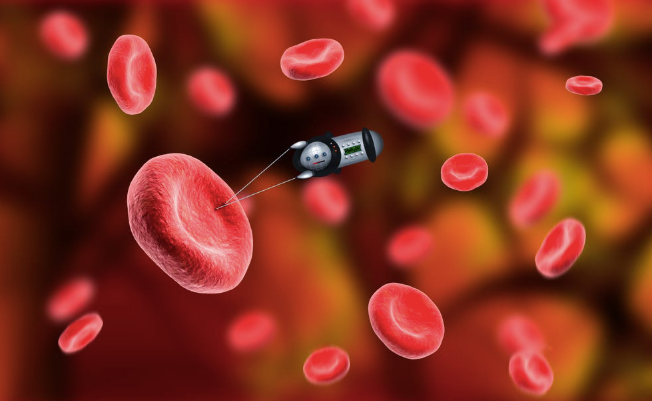
Nanotechnology operates on the manipulation of matter at an atomic and molecular scale, typically between 1 to 100 nanometers. This precision allows for the development of materials with enhanced properties and applications. Two primary methods, top-down lithography and bottom-up synthesis, facilitate this intricate process. As researchers explore new techniques and applications, they encounter both promising advancements and significant challenges. Understanding these elements is crucial to grasp the full potential of nanotechnology.
What Is Nanotechnology and How Does It Work?
Nanotechnology, a field at the intersection of science and engineering, involves the manipulation of matter at the nanoscale—typically between 1 and 100 nanometers.
This innovative discipline enables precise molecular manipulation, allowing scientists to design materials with unique properties and functionalities.
Key Techniques in Nanotechnology Fabrication
A variety of techniques are employed in the fabrication of nanostructures, each offering distinct advantages and applications.
Top down lithography allows for precise patterning at the nanoscale, enabling intricate designs.
Conversely, bottom up synthesis facilitates the assembly of nanostructures from molecular components, promoting innovative material properties.
Together, these techniques represent a dynamic interplay essential for advancing nanotechnology’s potential.
Real-World Applications of Nanotechnology
Advancements in fabrication techniques have paved the way for a myriad of real-world applications of nanotechnology across various fields.
Notably, in medical advancements, nanoparticles enhance drug delivery and imaging, improving treatment efficacy.
Simultaneously, in environmental remediation, nanomaterials facilitate the removal of pollutants, offering innovative solutions for a sustainable future.
These applications exemplify nanotechnology’s potential to revolutionize both healthcare and environmental management.
See also: How Machine Learning Improves Data Analysis
Future Trends and Challenges in Nanotechnology?
How will emerging trends in nanotechnology shape the future landscape of various industries?
Innovations promise enhanced efficiency and sustainability, yet face significant sustainability challenges and regulatory hurdles.
As nanotechnology advances, stakeholders must navigate complex ethical considerations and safety standards.
The balance between innovation and regulation will dictate the trajectory of nanotechnology, ultimately determining its potential to revolutionize sectors such as healthcare, energy, and materials science.
Conclusion
In the intricate tapestry of modern science, nanotechnology stands as a vibrant thread, weaving together groundbreaking innovations and applications. By harnessing the unique properties of materials at the nanoscale, researchers are poised to revolutionize industries from medicine to electronics. However, as the field continues to advance, it must navigate the dual challenges of ethical considerations and environmental impacts. The future of nanotechnology promises both extraordinary potential and the responsibility to wield it wisely, shaping the world for generations to come.