In today’s fast-paced digital and physical environment, security has become one of the top priorities for businesses of every size. Whether you operate a small retail store, a corporate office, a warehouse, or a healthcare facility, protecting people, assets, and sensitive information is critical for long-term success. As threats continue to evolve, businesses must move beyond traditional locks and alarms and embrace comprehensive security solutions that provide continuous protection.
The security industry has transformed significantly over the past decade. Modern systems now combine surveillance cameras, access control, smart sensors, cloud technology, and professional monitoring to create a complete security ecosystem. These integrated solutions not only help prevent crime but also improve operational efficiency and provide business owners with greater peace of mind.
The Growing Importance of Business Security
Security risks are no longer limited to burglary or vandalism. Businesses today face multiple threats, including unauthorized access, employee theft, cyber-physical attacks, fire hazards, and environmental emergencies. Even a single security incident can result in financial losses, operational downtime, damaged reputation, and legal complications.
A well-designed security strategy reduces these risks by identifying vulnerabilities before they become serious problems. It also creates a safer environment for employees, customers, and visitors while supporting business continuity.
Surveillance Technology Has Advanced
Modern surveillance systems offer much more than simple video recording. High-definition cameras, night vision, motion detection, cloud storage, and remote viewing allow business owners to monitor their properties from anywhere.
Artificial intelligence has further improved surveillance capabilities by enabling features such as facial recognition, vehicle detection, object tracking, and intelligent alerts. Instead of reviewing hours of footage manually, users receive notifications only when meaningful activity occurs.
This technology helps businesses respond faster to suspicious situations while reducing unnecessary false alarms.
Access Control Improves Workplace Safety
Traditional keys are gradually being replaced by electronic access control systems. Businesses now use keycards, biometric authentication, PIN codes, and mobile credentials to manage who enters specific areas.
These systems provide several advantages:
- Restrict unauthorized access
- Track employee movement
- Reduce the risk of lost keys
- Simplify visitor management
- Improve workplace accountability
Access control also allows administrators to update permissions instantly without changing physical locks.
See also: Smart Glasses for Men: The Future of Hands-Free Everyday Tech
Remote Monitoring Offers Greater Flexibility
Business owners are not always present on-site. Modern security platforms allow users to monitor cameras, receive alerts, unlock doors, and manage alarms directly from smartphones or computers.
This flexibility enables quick decision-making during emergencies while reducing the need for constant physical supervision.
Remote monitoring is especially valuable for companies operating multiple branches because managers can oversee all locations through a centralized dashboard.
Professional Monitoring Adds an Extra Layer of Protection
Installing security equipment is only part of an effective protection strategy. Around-the-clock professional monitoring ensures that alarms receive immediate attention when emergencies occur.
Monitoring centers can quickly verify incidents, notify property owners, and contact emergency responders if necessary. This rapid response minimizes property damage and improves overall safety during critical situations.
Businesses benefit from knowing that trained professionals are available even outside normal operating hours.
Employee Safety Should Always Be a Priority
Employees perform better when they feel safe at work. Security systems help create a secure environment by preventing unauthorized access, monitoring public areas, and supporting emergency response procedures.
Workplace safety measures also contribute to higher employee confidence, improved productivity, and lower turnover rates.
Organizations that invest in security demonstrate their commitment to protecting both their workforce and their customers.
Security Supports Business Continuity
Unexpected incidents can interrupt normal operations and lead to costly downtime. Fire, theft, equipment damage, or unauthorized entry may delay production, disrupt customer service, or compromise valuable inventory.
Comprehensive security planning helps businesses recover more quickly by reducing the impact of emergencies and providing valuable evidence when investigations are required.
Reliable security systems are therefore not only protective tools but also essential components of business continuity planning.
Choosing the Right Security Partner
Selecting a security provider requires careful consideration. Businesses should evaluate experience, technology, customer support, monitoring capabilities, and scalability before making a decision.
A quality provider understands that every business has unique requirements and offers customized solutions instead of one-size-fits-all packages.
In the long run, working with an experienced security company ensures systems remain effective as organizational needs evolve. Companies looking for dependable commercial and residential monitoring solutions often explore providers such as statewide monitoring corp to better understand the range of modern security services available.
Smart Integration Is the Future
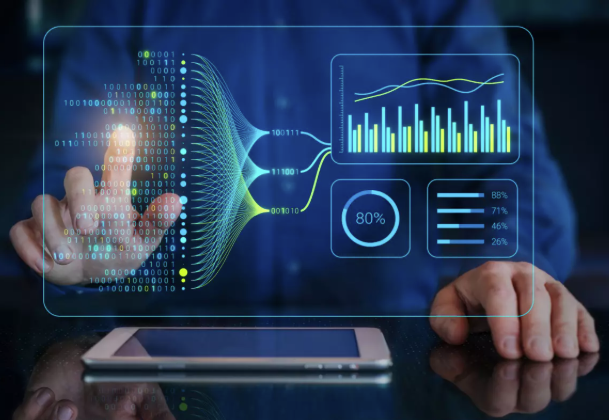
Security systems are increasingly integrated with other building technologies. Cameras, alarms, lighting, HVAC systems, and access control can work together to improve both security and energy efficiency. Data visualization consulting can also help businesses turn information from these connected systems into clear dashboards and reports, making it easier to identify security trends, monitor incidents, and make informed decisions.
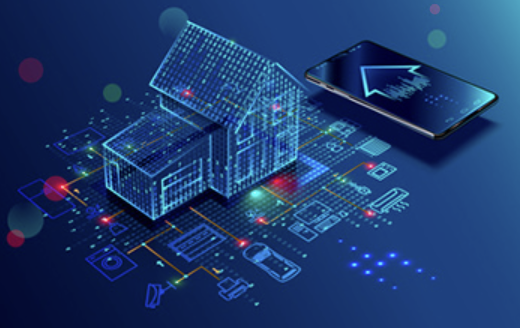
For example, doors can automatically lock after business hours, lights can activate when motion is detected, and surveillance cameras can begin recording when alarms are triggered.
These automated responses improve protection while reducing manual intervention.
Cybersecurity and Physical Security Go Hand in Hand
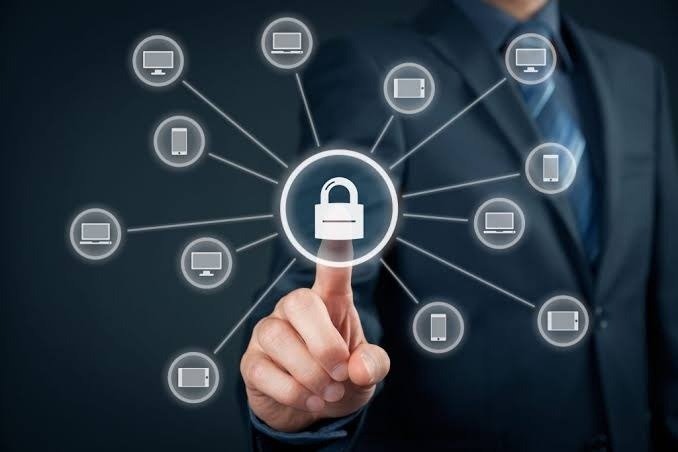
As more security devices connect to the internet, protecting digital infrastructure becomes equally important.
Businesses should ensure their systems include:
- Encrypted communication
- Strong passwords
- Multi-factor authentication
- Regular firmware updates
- Secure cloud storage
Combining cybersecurity with physical security creates stronger overall protection against modern threats.
Regular Maintenance Matters
Even advanced security systems require periodic inspections and maintenance.
Routine testing helps identify faulty sensors, camera issues, outdated software, or communication failures before they affect system performance.
Preventive maintenance extends equipment lifespan and ensures reliable operation during emergencies.
Investing in Security Is Investing in Success
Many business owners view security as an expense, but it should instead be considered an investment.
Effective security helps reduce losses, improve customer confidence, support regulatory compliance, protect valuable assets, and maintain uninterrupted operations.
As technology continues to advance, businesses that invest in modern security solutions position themselves for long-term stability and growth.
Conclusion
Security is no longer optional in today’s business environment. Modern organizations require comprehensive solutions that combine surveillance, access control, remote monitoring, cybersecurity, and professional support to protect people and property effectively.
By choosing reliable technology and working with experienced security professionals, businesses can reduce risk, improve operational efficiency, and create safer environments for employees and customers alike. As the industry continues to evolve, organizations that prioritize security today will be better prepared to face tomorrow’s challenges.