You might be feeling that familiar mix of worry and guilt that can show up any time your pet seems off. Maybe your dog skipped breakfast, your cat is hiding more than usual, or you are trying to stay ahead of routine care before a small issue turns into a bigger one. When that happens, even simple choices can feel heavy. Do you book a visit now, wait a day, or search online until you feel more confused than when you started? If you are looking for an animal clinic in Dallas, having a trusted place in mind can make that decision feel a little easier.
That is where clear answers help. The short version is this. Most people want to know when a pet needs to be seen, what happens during a visit, how much care may cost, whether preventive care is worth it, and what to ask if travel or public health rules come into play. Once you understand those basics, veterinary clinic services feel less intimidating and much easier to use with confidence.
When Should You Call a Veterinary Clinic Instead of Waiting It Out?
This is often the first question, and it makes sense. Pets cannot tell you what hurts, so you are left reading clues. A little vomiting once may not mean an emergency, but repeated vomiting, trouble breathing, collapse, swelling, bleeding, or sudden behavior changes should not be brushed aside. Because of that tension, you might wonder if you are overreacting. Usually, you are not.
Waiting can feel cheaper and easier in the moment, yet delay can raise both the medical risk and the final bill. A mild ear infection caught early may need a simple exam and medication. If left untreated, it can become painful, harder to manage, and more costly. The same pattern shows up with dental disease, skin issues, and stomach problems.
If your pet seems uncomfortable, is not eating, has diarrhea lasting more than a day, or is acting unlike themselves, a call to a veterinary office is a sensible next step. Many clinics can tell you whether your pet should come in right away or be monitored at home for a short time.
What Happens During a Pet Clinic Visit, and Why Does It Matter?
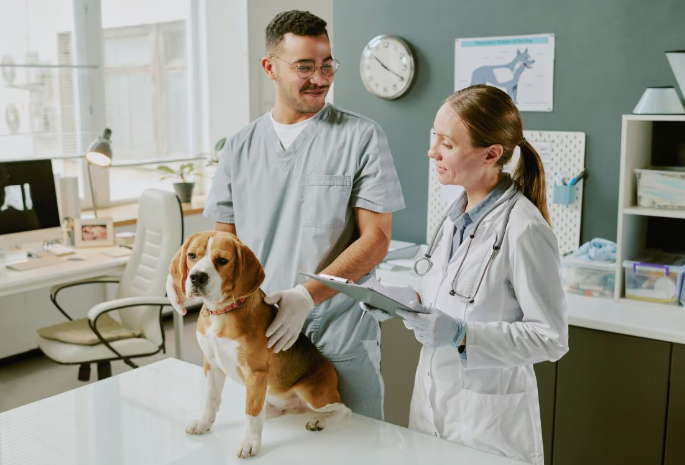
For many owners, the visit itself feels like a black box. You arrive worried, your pet is nervous, and you hope someone sees what you are seeing at home. A good appointment usually starts with a history. When did the problem begin, how often is it happening, and has anything changed with food, water, activity, or bathroom habits?
Then comes the physical exam. That may include checking weight, temperature, heart rate, breathing, eyes, ears, teeth, skin, and abdomen. If needed, the veterinarian may suggest lab work, imaging, or a stool sample. This is not about adding tests for no reason. It is about narrowing down possibilities before guessing.
So, where does that leave you? It means your observations matter. Bring a list of symptoms, photos, videos, medication names, and any questions you have. That simple prep can make animal hospital services far more effective, especially when symptoms come and go.
Are Routine Veterinary Care Services Really Worth the Cost?
This question comes from a real place. Pet care can be expensive, and routine visits are easy to postpone when life is busy. Still, preventive care is often the less costly path over time. Wellness exams, vaccines, parasite prevention, and dental checks can catch problems before they become painful or urgent.
Think about a common example. A yearly exam may reveal early weight gain, tartar buildup, or a heart murmur. Catching those signs early gives you more options. Waiting until your pet is in distress often means more testing, more treatment, and more stress for everyone involved.
Public health matters too. Pets can affect household health, especially around bites, parasites, and certain infections. The CDC offers helpful guidance on healthy pets and safe animal contact, which is useful if you have children, older adults, or anyone with a weakened immune system at home.
How Do Common Veterinary Clinic Services Compare in Everyday Life?
Sometimes it helps to see the difference between acting early and waiting until a problem grows. The table below gives a practical snapshot.
| Situation | Early Clinic Visit | Waiting Too Long |
|---|---|---|
| Ear scratching and head shaking | Exam, ear check, medication, faster relief | Worsening pain, infection, repeat visits, higher cost |
| Bad breath and tartar | Dental assessment and cleaning plan | Tooth loss, pain, eating trouble, advanced dental treatment |
| Mild vomiting or diarrhea | Monitoring advice, exam if needed, early treatment | Dehydration, weakness, urgent care, more diagnostics |
| Missed vaccines or parasite prevention | Simple catch up plan | Higher risk of preventable illness and spread |
What If You Need Records, Vaccines, or Travel Papers for Your Pet?
This is one of the most overlooked parts of pet care services. If you are moving, flying, or crossing borders, your pet may need vaccination records, health certificates, or timing that lines up with travel rules. People often assume they can handle it a few days before the trip, then find out there are deadlines and country-specific steps.
The USDA APHIS page on pet travel requirements is a good place to start. If you want a clearer roadmap, their pet travel process overview lays out the sequence in a way that is easier to follow. If travel is even a possibility, ask your veterinary clinic early. Timing matters more than many people realize.
What Can You Do Right Now to Make Veterinary Care Easier?
1. Track symptoms before you call. Write down when the issue started, how often it happens, and any changes in appetite, energy, drinking, or bathroom habits. If you can, take a photo or short video.
2. Ask about preventive care at every visit. Even if you came in for one problem, ask what is due next. Vaccines, parasite prevention, dental checks, and weight monitoring can save trouble later.
3. Keep records in one place. Store vaccine dates, medications, test results, and travel paperwork together. That makes routine appointments smoother and helps a lot if you ever need urgent care or travel documents.
See also: Minimalist Website Design: Best Practices for Speed & Conversions
How Can You Move Forward With More Peace of Mind?
When your pet is not acting like themselves, it is hard not to second-guess every choice. That is normal. Still, you do not need to have every answer before reaching out. A trusted veterinary clinic can help you sort what is urgent, what can wait, and what preventive steps make sense for your pet’s age, health, and lifestyle.
If you have been putting off a visit, this may be the right time to schedule one and get clear guidance. A small step now can spare your pet discomfort and give you the reassurance you have been looking for.