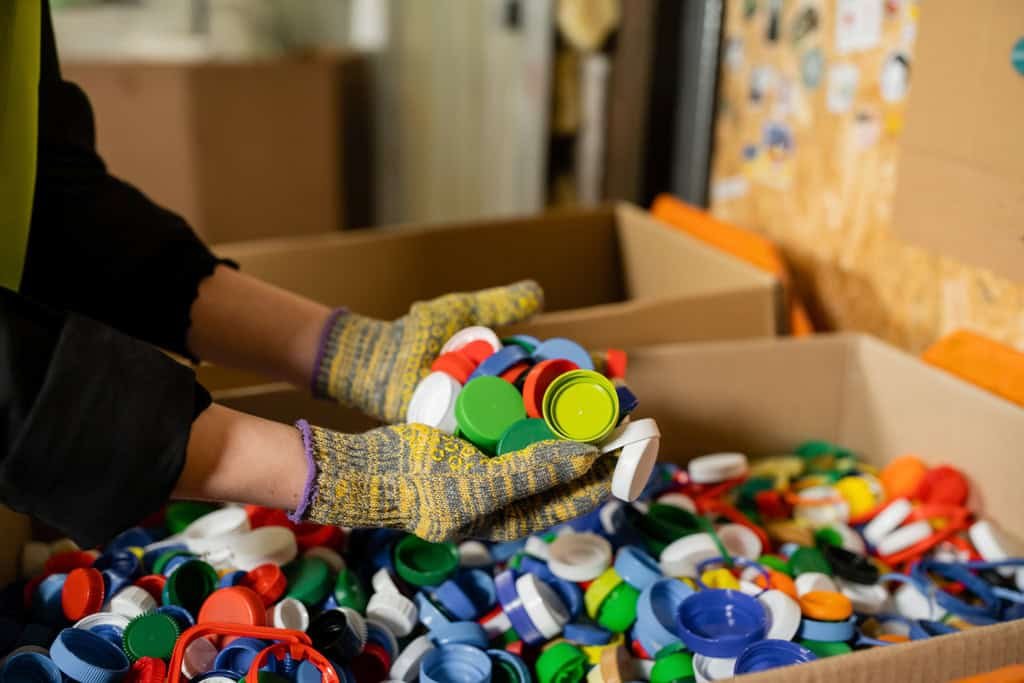
Manufacturers, warehouses, distribution centers, and other industrial operations can generate thousands of pounds of plastic scrap every year. What looks like waste taking up valuable floor space may actually have value to plastic recyclers and processors.
However, selling industrial plastic scrap isn’t quite as simple as calling a recycler and asking, “What will you pay per pound?”
Plastic scrap buyers typically need to know exactly what material you have, how much you’re generating, its condition, where it’s located, and whether you can provide a consistent supply.
If you’re looking to sell industrial plastic scrap, having this information ready can make it much easier for a buyer to evaluate your material and provide an accurate quote.
1. Identify the Type of Plastic You Have
The first question most industrial plastic scrap buyers will ask is simple:
What kind of plastic is it?
Different plastic resins have different markets, processing requirements, and values.
Common industrial plastics that may be recyclable include:
- HDPE
- HMW polyethylene
- Polypropylene (PP)
- LDPE
- LLDPE
- PET
- ABS
- Polycarbonate
- Nylon
- PMMA/acrylic
- TPO
If you’re a manufacturer, the resin may already be listed on purchasing records, product specifications, material safety documents, packaging, or production records.
Resin identification becomes particularly important when selling production scrap because seemingly similar plastics may have very different recycling markets.
A load of clean polypropylene manufacturing scrap, for example, shouldn’t be mixed with HDPE, ABS, nylon, or other polymers.
Keeping materials separated can make scrap significantly easier for a recycler to process.
2. Tell the Buyer What Form the Plastic Is In
Knowing the resin is only the beginning.
Buyers also need to understand the physical form of the material.
Industrial plastic scrap can include:
- Injection molding parts
- Blow-molded parts
- Sprues and runners
- Plastic purge
- Regrind
- Pellets
- Off-spec resin
- Totes
- Buckets
- Crates
- Plastic pallets
- Knockdown bins
- Bottles
- Baled material
- Plastic film
- Production scrap
- Rejected parts
For example, 10,000 pounds of clean polypropylene regrind is very different from 10,000 pounds of bulky polypropylene parts.
Even though both loads contain the same polymer, transportation, handling and processing costs can differ considerably.
This is one reason buyers usually cannot determine the value of industrial plastic based on resin type alone.
3. Know Approximately How Much Scrap You Have
Volume matters in industrial recycling.
Before contacting a buyer, determine approximately how much material is available.
You don’t necessarily need an exact weight immediately. An estimate can help determine whether the material fits a buyer’s purchasing requirements.
For example, tell the buyer:
“We have approximately 12,000 pounds of clean HDPE injection molding scrap.”
That’s considerably more useful than:
“We have a lot of plastic we’d like recycled.”
You should also tell the buyer whether this is a one-time load or recurring material stream.
A manufacturer producing 10,000 pounds every month may be evaluated differently from a company clearing out 10,000 pounds of old inventory once.
Recurring industrial scrap can be particularly attractive because it creates a predictable source of recyclable material.
4. Describe the Condition of the Material
Condition can have a major impact on whether plastic scrap can be purchased economically.
Buyers may want to know whether the material is:
- Clean
- Dirty
- Mixed
- Painted
- Printed
- Contaminated
- Reinforced
- Filled
- Wet
- Metal-free
- Mixed with packaging
- Mixed with other polymers
Clean, separated manufacturing scrap is generally easier to recycle than heavily contaminated or mixed material.
Consider two manufacturers producing the same resin.
Manufacturer A keeps its polypropylene runners separated in dedicated gaylord boxes.
Manufacturer B places polypropylene, cardboard, metal pieces, labels and several other plastics into the same container.
The first material stream is considerably easier for a recycler to handle.
Creating a simple scrap-separation process inside your facility can therefore improve both recyclability and the attractiveness of the material to potential buyers.
5. Take Good Photos
Photos can save considerable time when requesting a quote.
Instead of trying to explain the material entirely over the phone, send several clear photographs showing:
- The plastic itself
- Containers or gaylords
- Labels or resin markings
- Contamination, if present
- Pallets or bales
- Approximate particle or part size
For regrind, taking a close-up photograph can help show grind size and consistency.
For parts, take photographs that demonstrate their approximate dimensions.
Don’t try to hide contamination. Accurate information helps buyers determine whether they can actually process the material and reduces the likelihood of problems once a shipment arrives.
6. Provide the Material’s Location
Transportation is an important part of industrial plastic recycling.
Plastic can be bulky relative to its weight, which means freight costs can significantly affect the economics of a load.
A buyer will generally need at least the city and state where the material is located before determining whether purchasing it makes economic sense.
Manufacturers should also explain how the material is packaged.
For example:
- 10 gaylords on pallets
- 12 plastic totes
- 20 bales
- Loose material
- Palletized parts
- Supersacks
- Boxes of production scrap
This allows the buyer to evaluate transportation and loading requirements.
If your company generates plastic regularly, consolidating material into larger shipments may improve transportation efficiency compared with arranging frequent small pickups.
7. Understand What Determines Plastic Scrap Value
There isn’t one universal “plastic scrap price.”
The value of industrial plastic scrap can change according to the material and market.
Important factors can include:
Resin type
Some polymers have stronger recycling markets than others.
Purity
Separated material is typically easier to process than mixed plastic.
Contamination
Labels, metal, dirt, oil, food residue, incompatible polymers and other contaminants can increase processing costs.
Color
Natural or consistently colored material may have different end markets than mixed-color plastic.
Form
Regrind, purge, parts, film and baled material all have different handling and processing requirements.
Volume
Larger quantities can make transportation and processing more economical.
Location
The distance between the seller, recycler and end market can influence freight costs.
Consistency
A predictable recurring stream can be more useful to a buyer than unknown material that changes from shipment to shipment.
For these reasons, asking “How much is plastic worth per pound?” without providing additional information rarely produces an accurate answer.
8. Should You Grind Plastic Before Selling It?
Not necessarily.
Some manufacturers assume grinding plastic automatically makes it more valuable. That isn’t always the case.
Grinding can reduce volume and make material easier to transport, but it can also create additional concerns around contamination and material identification.
If you don’t already have grinding equipment, talk to potential buyers before investing in it.
A buyer may prefer the material in its existing form and handle size reduction as part of its own recycling process.
On the other hand, manufacturers already producing clean, consistent regrind may have a material stream that’s easier to transport and process.
The right answer depends on the resin, material and buyer.
9. Keep Different Resins Separate
One of the easiest things manufacturers can do to improve a recycling program is create separate collection systems for different plastics.
Instead of one general “plastic recycling” container, consider dedicated containers for materials such as:
- PP
- HDPE
- HMW
- ABS
- Nylon
Clearly labeling containers can help production employees put scrap in the correct location.
This can also prevent a valuable load of recyclable plastic from becoming mixed material that’s difficult or uneconomical to process.
10. Find an Industrial Plastic Scrap Buyer
Once you’ve gathered the necessary information, you can begin contacting recyclers that specialize in industrial plastics.
This distinction matters.
Municipal recycling programs are generally designed around consumer packaging. Industrial plastic recycling involves much larger quantities and materials generated through manufacturing, warehousing, distribution and commercial operations.
Companies looking to sell industrial plastic scrap should look for buyers that understand manufacturing scrap and can evaluate materials based on resin, volume, condition and location.
Seraphim Plastics, for example, buys and processes industrial plastic scrap from manufacturers and other commercial operations. The company handles multiple types of industrial plastics and material forms, making it possible for businesses with qualifying volumes to request an evaluation of their scrap.
What Information Should You Send a Plastic Scrap Buyer?
Before requesting a quote, gather as much information as possible.
Ideally, your initial request should contain:
- Plastic/resin type
- Material form
- Approximate weight
- Whether it’s clean or contaminated
- Color
- Packaging method
- City and state
- Photos
- Whether it’s a one-time or recurring load
- Approximate recurring monthly volume
A good inquiry might look something like this:
“We’re an injection molding manufacturer with approximately 15,000 pounds of clean black polypropylene runners in Tennessee. The material is stored in gaylords and we generate approximately 8,000–10,000 pounds per month. Photos are attached.”
That gives a buyer enough information to quickly determine whether the material may fit its recycling operation.
Turn Industrial Plastic Waste Into a Recoverable Material Stream
Industrial plastic scrap doesn’t necessarily have to be treated as waste.
Manufacturers that identify their plastics, separate resins, minimize contamination and consolidate sufficient quantities may be able to create a recurring recycling stream instead.
The first step isn’t asking for a price.
It’s giving a plastic scrap buyer enough information to understand exactly what you have.
Know the resin. Estimate the weight. Document the condition. Take photographs. Explain where the material is located and whether you’ll generate more.
Once you have those details, you can approach an industrial plastic scrap buyer such as Seraphim Plastics and request an evaluation of your material.
For manufacturers generating significant quantities of PP, HDPE, HMW, LDPE and other recyclable industrial plastics, what was previously treated as a disposal problem may become a much more manageable recycling program.