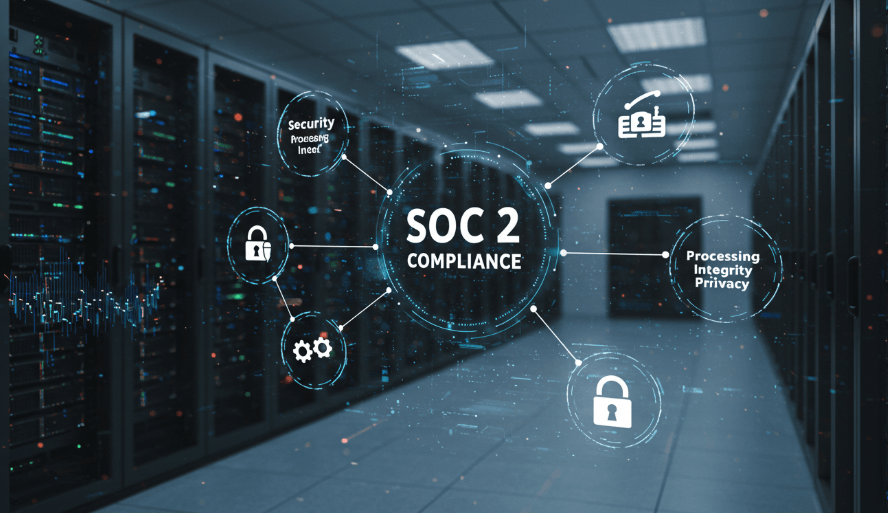
Introduction: The Importance of Avoiding Pitfalls
Pursuing SOC 2 compliance is essential for organizations aiming to secure sensitive data and build trust with their clients. However, many companies make common mistakes during the compliance journey that can delay certification or lead to audit failures. Understanding and avoiding these pitfalls can streamline the process and improve the chances of success.
Mistake 1: Inadequate Understanding of SOC 2 Requirements
One major mistake is not fully understanding the SOC 2 framework and its five trust service principles: security, availability, processing integrity, confidentiality, and privacy. Companies sometimes underestimate the scope of controls needed or the documentation required. Investing time to thoroughly study SOC 2 standards and engaging experts early can prevent this issue.
Mistake 2: Insufficient Documentation of Controls
During a SOC 2 audit, documentation plays a crucial role. Many organizations struggle because they fail to properly document their policies, procedures, and controls. Without clear evidence, auditors cannot verify compliance, leading to delays or negative audit outcomes. Maintaining detailed and up-to-date documentation of all security measures is vital for SOC 2 compliance.
Mistake 3: Neglecting Employee Training and Awareness
Employees are often the weakest link in security. Some organizations overlook the importance of regular training and fail to foster a culture of security awareness. This can result in human errors that compromise controls and jeopardize compliance. Regular training sessions and clear communication of security responsibilities are essential.
Mistake 4: Treating Compliance as a One-Time Project
SOC 2 compliance is not a one-off event but an ongoing commitment. Treating it as a one-time project can lead to lapses in controls and outdated policies. Continuous monitoring, periodic reviews, and updates to security practices are necessary to maintain compliance and keep pace with evolving threats.
Mistake 5: Poor Communication with Auditors
Effective communication with auditors is critical. Some companies fail to engage auditors early or provide incomplete information during the audit. Building a collaborative relationship with auditors and promptly addressing their queries can facilitate a smoother audit process.
See also: The Future of Model Making with AI and Interactive Technology
Conclusion: Learning from Mistakes to Achieve SOC 2 Compliance
In summary, avoiding these common mistakes can significantly enhance an organization’s ability to achieve and maintain SOC 2 compliance. Careful planning, thorough documentation, employee involvement, ongoing commitment, and good auditor relations are key factors for success. By learning from these pitfalls, businesses can protect their data, satisfy clients, and gain a competitive edge in the market.