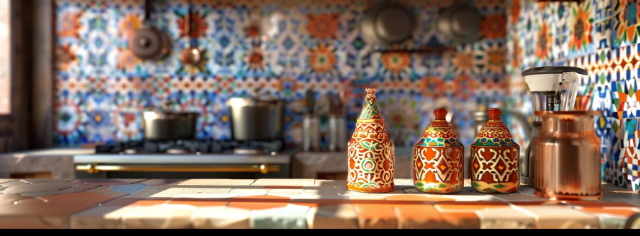
The kitchen is often considered the heart of the home, where function meets style in the most crucial way. When designing a kitchen, the choice of tile can significantly impact the overall aesthetic. Two popular options are Moroccan Zellige Tile and Ceramic Tile, each offering unique benefits. This article explores the distinctive qualities of these tiles and how they can enhance your kitchen’s look. By understanding the characteristics of Zellige and Ceramic Tiles, you can make an informed decision that aligns with your interior design goals.
Moroccan Zellige Tile: A Unique Aesthetic Choice for Your Kitchen
Moroccan Zellige Tile is renowned for its handcrafted, artisanal quality, offering a unique and vibrant addition to any kitchen. These tiles are made from non-refined natural clay, providing a rich texture and depth that cannot be replicated by machine-made alternatives. The irregular surface and variations in color create a striking visual effect, making them a popular choice for those looking to add character and a unique touch to their kitchen. A well-chosen Moroccan Zellige Tile can become the centerpiece of your kitchen design, adding an element of luxury and authenticity.
The appeal of Zellige lies in its ability to transform a space through its unique patterns and colors, which can be explored further in a comprehensive material palette. These tiles complement various interior styles, from traditional to modern, and can be a focal point in a mood board that showcases your kitchen’s potential. However, it’s important to note that the installation of Zellige tiles requires skilled labor to maintain their aesthetic appeal, as each piece is unique and must be carefully placed.
Ceramic Tile: Versatility and Functionality in Kitchen Design
Ceramic Tile is a staple in kitchen design due to its versatility and practicality. These tiles are made from clay materials and are available in a wide range of colors, patterns, and finishes, making them adaptable to any design brief. Ceramic tiles are often used in schematic design phases, where their predictability and uniformity make them a reliable choice. Their affordability and ease of installation also make them a popular option for homeowners looking to renovate their kitchens without breaking the bank.
In addition to aesthetics, ceramic tiles offer excellent functionality. They are durable, resistant to moisture, and easy to clean, which is crucial for maintaining a hygienic kitchen environment. When choosing ceramic tiles, it’s essential to consider the lighting plan and how the tiles will interact with the kitchen’s overall illumination. Glossy finishes can reflect light and make a small kitchen appear larger, while matte finishes can provide a more subdued and sophisticated look.
Comparing Durability and Maintenance of Zellige and Ceramic Tiles
Both Moroccan Zellige and Ceramic Tiles offer distinct advantages in terms of durability and maintenance. Zellige tiles, with their artisanal craftsmanship, are robust but require careful maintenance to preserve their aesthetic qualities. Regular cleaning with non-abrasive materials is recommended to avoid damaging the tile’s surface, as the unique glaze can be sensitive to harsh chemicals.
On the other hand, ceramic tiles are celebrated for their durability and low maintenance needs. They are resistant to scratches and stains, making them a practical choice for busy kitchens. When planning a kitchen renovation, a site analysis can help determine the best tile for your specific needs, taking into account factors such as traffic patterns and usage frequency. Ceramic tiles can withstand heavy use and are less likely to chip or crack, ensuring long-term satisfaction.
Enhancing Kitchen Aesthetics: Choosing the Right Tile for Your Space
Choosing between Moroccan Zellige and Ceramic Tile ultimately depends on your aesthetic preferences and practical needs. For those focused on creating a unique and luxurious kitchen ambiance, the rich textures and colors of Zellige tiles can be a perfect fit. Incorporating these tiles into a cohesive space planning strategy can elevate the design to new heights.
Conversely, if versatility and functionality are your priorities, ceramic tiles offer a reliable and budget-friendly solution. They can seamlessly integrate into various design styles and are adaptable to different FF&E (furniture, fixtures, and equipment) considerations. Value engineering can also play a role in this decision, balancing aesthetic desires with budget constraints.
Conclusion
Both Moroccan Zellige and Ceramic Tiles have their unique charms and applications in kitchen design. While Zellige offers unparalleled artistry and individuality, ceramic tiles provide versatility and ease of maintenance. The choice between these two will depend on your specific design goals and the functional requirements of your kitchen space. Ultimately, selecting the right tile can transform your kitchen into a stunning and functional area that reflects your personal style and enhances your home’s overall aesthetic.