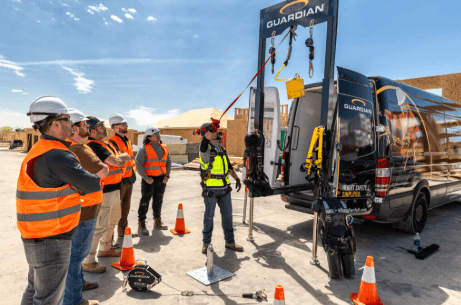
Working at Height Carries Risks That Cannot Be Ignored
Falls from height remain one of the leading causes of serious injuries and fatalities in workplaces around the world. It does not matter whether someone is working on a rooftop, a scaffold, a utility tower, or inside a confined space. The moment a worker is elevated above ground level, the risk of a life-changing accident becomes very real.
The good news is that the right fall protection equipment can reduce that risk dramatically. From full body harnesses to anchor systems and energy-absorbing lanyards, modern height safety gear is designed to stop falls before they cause harm. This article covers everything workers and employers need to know about choosing, using, and maintaining proper height safety systems, so that everyone who works at elevation comes home safe.
Understanding the Full System Behind Height Safety
A common mistake people make is thinking that a harness alone is enough to keep a worker safe. In reality, personal fall arrest is a system made up of several connected components. Each part plays a specific role, and the whole system only works when every element is correctly chosen, fitted, and connected.
Fall protection equipment works as a chain. The anchor point must be strong enough to hold the force of a fall. The lanyard or fall arrester must absorb energy before it reaches the worker. The full body harness must distribute that remaining force across the body safely. If any one part of this chain is weak, wrong, or improperly installed, the entire system can fail at the worst possible moment.
The Core Components Every Height Worker Should Know
Whether you are new to working at height or a seasoned professional, understanding each component of a height safety system is essential. Here is a breakdown of the key items that make up a complete personal fall arrest setup:
- Full body harness: This wraps around the shoulders, chest, waist, and legs. It is the central piece of any fall arrest system and must fit snugly for it to work correctly.
- Energy-absorbing lanyards: These connect the harness to an anchor point. When a fall occurs, the lanyard stretches to slow the drop and reduce the force on the body.
- Retractable fall arresters: These act like a seatbelt, allowing free movement during normal work but locking instantly when a fall begins.
- Anchor points and devices: These are fixed or temporary connection points that the lanyard or fall arrester attaches to. They must be rated to withstand the forces of a fall.
- Carabiners and connectors: These link the various components together. They must be the correct size and rating for the system they are part of.
- Industrial safety helmets: Head protection is essential when working at height, both to protect against falling objects and in the event of a fall itself.
Each of these components must meet relevant safety standards such as EN 361 for harnesses or EN 355 for energy absorbers. Always check that any item you purchase carries the correct certification for your working environment and country of operation.
Choosing the Right Gear for Your Specific Job
Not all height work is the same, and neither is the equipment needed for it. A construction worker on a steel frame has different needs than an arborist in a tree canopy or a rescue technician descending into a confined space. Selecting fall protection equipment that matches the specific demands of the job is one of the most important decisions a worker or employer can make.
For general construction and roofing work, a standard full body harness with a back D-ring and an energy-absorbing lanyard is usually the right choice. For tower climbing or suspension work, a harness with additional side and front attachment points allows more versatile connection options. For rescue operations, specialized rescue harnesses with lifting loops are required. Always match the gear to the task, not the other way around.
How Protective Clothing Works Alongside Safety Harnesses
Height safety is not just about harnesses and lanyards. The clothing a worker wears plays an important supporting role in keeping them protected. Protective clothing designed specifically for working at height combines physical protection with practical features that make wearing a harness more comfortable and effective.
Overalls with integrated harness access points let workers wear both layers without the harness getting tangled in their clothing. High-visibility softshell jackets keep workers warm and visible in outdoor conditions while still allowing full harness attachment. Protective vests with reflective tapes are ideal for busy construction sites where being seen by colleagues and vehicle operators is just as important as being secured against a fall.
Inspection and Care Habits That Keep Equipment Reliable
Even the best fall protection equipment can become dangerous if it is not properly cared for. Regular inspection is not optional. It is a legal requirement in most countries and a basic responsibility for anyone who works at height. A harness or lanyard that looks fine from the outside could have hidden damage that only becomes apparent when it is put under load.
- Before every use, visually inspect all webbing for cuts, fraying, chemical stains, or heat damage.
- Check all buckles, D-rings, and carabiners for cracks, corrosion, or deformation.
- Test that all connectors click and lock securely before attaching to an anchor point.
- Retire any item that has been subjected to a fall arrest event, even if no visible damage is present.
- Store equipment away from direct sunlight, chemicals, and extreme temperatures when not in use.
- Have all equipment formally inspected by a competent person at least once every twelve months.
These habits take very little time but they can make an enormous difference. A piece of equipment that is inspected regularly and stored correctly will perform reliably when it matters most. One that is neglected may fail exactly when a worker needs it most.
Legal Responsibilities Employers and Workers Must Meet
Working at height is heavily regulated in most countries because the stakes are so high. In the UK, for example, the Work at Height Regulations 2005 set out clear requirements for planning, supervision, and the use of suitable equipment. Similar regulations exist across Europe and in most industrialized nations worldwide.
Employers are responsible for carrying out risk assessments, providing appropriate fall protection equipment that meets certified standards, and ensuring that workers are properly trained before starting any task at height. Workers, in turn, have a responsibility to use the equipment correctly, report any defects they find, and never take shortcuts with their own safety. Both sides of this relationship are essential for a truly safe working environment.
See also: Scaling Your Business with an Expert Salesforce Marketing Cloud Consultant
Safety at Height Is a Choice Made Before the Work Begins
Height safety does not happen by accident. It is the result of deliberate choices made before a single worker steps off the ground. Choosing the right fall protection equipment, fitting it correctly, inspecting it regularly, and training everyone who uses it are the foundations of a culture where working at height is something people do confidently and safely.
Whether you are an employer putting together a safety program or a worker trying to understand your gear better, the information in this article gives you a solid starting point. The technology available today is better than it has ever been. Harnesses are more comfortable, lanyards are more reliable, and anchor systems are easier to install and use.
Take the time to invest in quality fall protection equipment, learn how to use it properly, and make inspection a habit rather than an afterthought. Every worker who comes home safely at the end of the day is proof that the right preparation makes all the difference. Stay protected, stay informed, and never compromise on height safety.