Dental implants are not planned in isolation. Existing crowns, bridges, dentures, fillings, root canals, and other dental work can all influence implant placement, so dentists first evaluate the condition, position, and function of the teeth and restorations already in place. In implant dentistry Tysons VA, this planning process helps determine where an implant can be positioned safely while protecting surrounding teeth and preserving a natural-looking bite. At G4 Dental Implants, careful assessment of existing dental work can help create an implant plan that fits the patient’s current oral structure rather than treating the missing tooth as a separate issue.
Why Existing Dental Work Matters Before Implant Placement
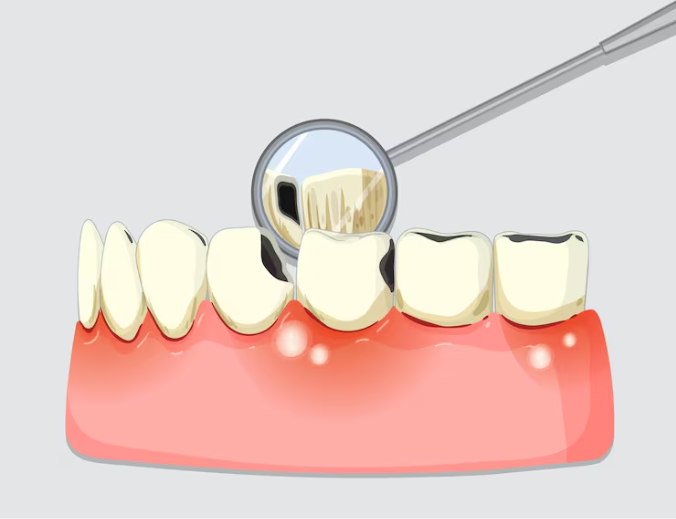
A missing tooth often sits beside teeth that have already been restored. A neighboring tooth may have a crown, a bridge may span the area, or a patient may use a removable partial denture. Each situation can affect implant planning.
The dentist needs to assess the condition of existing restorations and determine how they relate to the missing tooth. An implant must have enough surrounding bone and space, while the final crown or other restoration must fit comfortably with the patient’s bite.
For example, a dental implant placed too close to an existing crowned tooth could interfere with the restoration or make cleaning difficult. An implant positioned without considering an existing bridge may also require a different restorative plan.
The goal is not simply to fill an empty space. The dentist must consider how the implant will function with the teeth around it.
The First Step Is a Detailed Examination
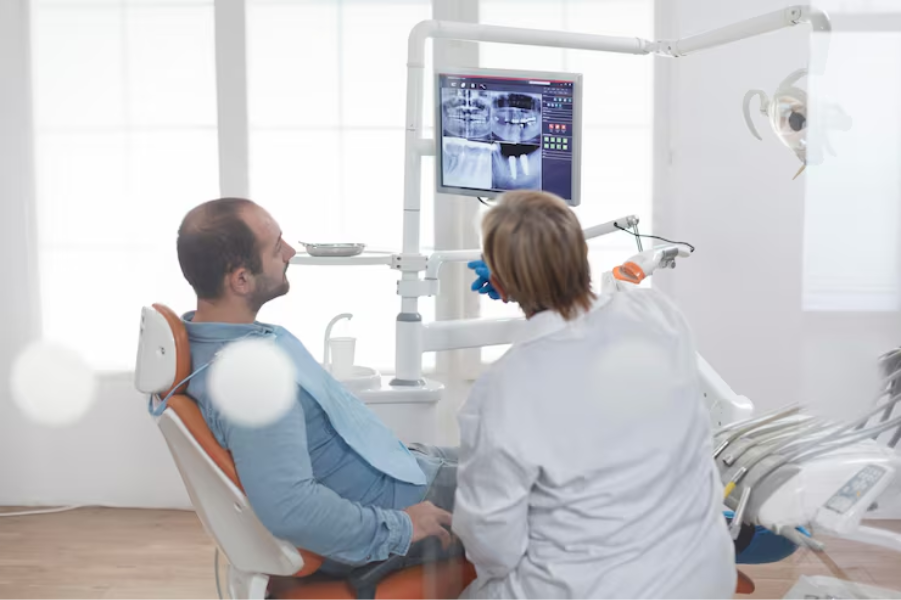
Planning generally begins with an examination of the teeth, gums, bite, and jawbone. The dentist reviews existing dental work and looks for problems that may need attention before implant treatment.
Imaging is also an important part of the process. Dental X-rays and three-dimensional scans such as cone beam computed tomography can show the available bone and the location of important anatomical structures. These images can help the dental team assess the position of tooth roots, nerves, sinus spaces, and other structures.
The dentist may also evaluate:
- The condition of neighboring teeth and restorations
- Bone volume and density around the implant site
- Gum health and signs of periodontal disease
- The patient’s bite and chewing pattern
This information helps establish a safer and more predictable foundation for treatment.
How Crowns and Bridges Affect Implant Planning
A crown on a neighboring tooth does not automatically prevent implant treatment. The dentist examines the crown’s position, condition, and relationship to the proposed implant.
The same applies to bridges. A missing tooth may already be replaced by a bridge supported by adjacent teeth. In some cases, the existing bridge may remain. In other situations, replacing the bridge with implants may provide a different restorative option.
The decision depends on the condition of the supporting teeth, available bone, the number of missing teeth, and the overall restorative plan.
An implant dentist may also need to consider the shape of the final implant crown. The implant needs to support a restoration that fits within the existing dental arch and does not create unnecessary pressure against neighboring restorations.
Planning Around Dentures
Patients who already wear dentures may require a different type of implant plan. Traditional dentures rest on the gums, while implant-supported dentures receive additional support from implants placed in the jaw.
This is particularly relevant for patients researching denture implants of Tysons. The dentist must evaluate the current denture, jawbone, bite, and areas where implants can provide useful support.
In some cases, an existing denture may help the dentist understand the patient’s desired tooth position and appearance. It can provide useful information about how the teeth should be arranged for the final restoration.
However, the existing denture may also need modification or replacement as part of the implant treatment plan. The final design depends on the patient’s anatomy and restorative needs.
What Happens If an Existing Tooth Has a Root Canal?
A root canal-treated tooth near an implant site receives careful attention during planning. The dentist evaluates the tooth for signs of infection, structural damage, or other concerns.
An implant should not be planned without considering the health of nearby teeth. If a neighboring tooth has a questionable long-term outlook, the dentist may need to account for that finding before finalizing the implant plan.
This does not mean a root canal-treated tooth must be removed simply because an implant is being considered. Treatment decisions should be based on the condition of the tooth and clinical findings.
Bite Alignment Can Change the Implant Plan
The way the upper and lower teeth meet can have a major influence on implant placement. An implant of restoration needs to function within the patient’s existing bite.
A dentist may examine how the patient closes the mouth, chews, and contacts the surrounding teeth. Existing crowns, bridges, dentures, worn teeth, or shifting teeth can all affect this relationship.
Suppose the available space is narrow because nearby teeth have moved after tooth loss. The dentist may need to account for that movement before placing an implant. In another situation, an existing crown may have a shape that influences the size or position of the planned implant crown.
Good planning considers both the implant and the restoration that will eventually sit on it.
When Existing Dental Work Needs Attention First
Not every patient needs existing dental work replaced before receiving an implant. The condition of each restoration is assessed individually.
A dentist may recommend addressing another dental problem first if it could affect oral health or the implant site. Active gum disease, infection, significant tooth decay, or a damaged restoration may need treatment before implant placement.
This approach helps create a healthier environment for implant treatment. It also gives the dental team a clearer picture of the patient’s overall oral condition.
For patients searching for a dentist in Tysons, it can be useful to choose a practice that evaluates the entire mouth rather than focusing only on the missing tooth.
See also: Mental Health Symptoms That Should Never Be Ignored
How Digital Planning Helps Coordinate the Treatment
Modern implant planning can bring clinical examination, digital scans, X-rays, photographs, and restorative information together. This allows the dental team to assess the proposed implant position before treatment begins.
Three-dimensional imaging can help visualize bone availability and anatomical structures. Digital impressions or scans can provide information about the shape and position of existing teeth and restorations.
The restorative plan is also considered alongside implant placement. The dentist can determine the desired position of the final crown and then assess how the implant should support it.
This restorative-first mindset is particularly useful when several teeth have existing dental work. The implant needs to fit into the broader structure of the patient’s mouth rather than simply occupy the location of a missing tooth.
What If Several Teeth Already Have Restorations?
Complex dental work does not automatically rule out implants. It simply makes treatment planning more detailed.
A patient may have several crowns, a bridge, fillings, and an existing partial denture. The dentist considers how these restorations interact and identifies which teeth are healthy, which restorations are functioning properly, and which areas may require attention.
For patients considering Tysons corner dental implants, the treatment plan may involve coordination between the implant dentist and restorative dental team. Their shared goal is to make sure implant placement and the final restoration work with the patient’s existing bite and dental structure.
The plan may also account for future dental needs. A carefully positioned implant should not unnecessarily complicate future restorative treatment.
Why the Final Restoration Matters as Much as Implant Placement
An implant is only one part of the finished treatment. The crown, bridge, or denture attached to it determines much of the final appearance and function.
That is why dentists plan the desired restoration before deciding the exact implant position. The implant needs to provide appropriate support while leaving room for a restoration that can be cleaned and maintained.
G4 Dental Implants can be part of a treatment process that evaluates implant placement together with the patient’s existing dental work, bite, and restorative needs.
The planning process should also consider hygiene. An implant restoration needs to allow the patient to clean around it effectively. Crowded spaces or poorly positioned restorations can make daily maintenance more difficult.
A Coordinated Plan Protects the Bigger Picture
Existing dental work does not have to stand in the way of dental implants. Crowns, bridges, root canal-treated teeth, dentures, and other restorations simply become part of the planning process.
A dentist evaluates the condition of the existing work, examines the supporting bone and gums, studies the bite, and uses appropriate imaging to determine how an implant can fit into the overall dental structure. The final restoration is planned alongside implant placement so the result supports both function and appearance.
Patients considering implants should bring information about previous dental treatment and discuss any concerns about existing restorations during their consultation. A careful assessment can clarify which dental work can remain, which areas may need attention, and how the implant can fit into the larger treatment plan.
If missing teeth are affecting your chewing, confidence, or ability to maintain your dental health, Schedule a Consultation Today to discuss how implant treatment can be planned around your existing dental work.