Finding the right approach to counselling can feel overwhelming, especially when you are unsure what to expect from therapy. Some people prefer a structured approach with specific exercises, while others want a space where they can talk openly and explore their experiences at their own pace.
Person centered therapy takes the latter approach. Developed by psychologist Carl Rogers, this humanistic form of counselling places the individual at the centre of the therapeutic process. Rather than viewing the therapist as someone who simply provides solutions, the approach focuses on creating a supportive environment where clients can explore their thoughts, emotions, experiences, and personal goals.
In India, where conversations about emotional well-being are becoming more open, person-centered counselling can offer a thoughtful setting for self-exploration. It can be used in different counselling contexts and adapted to the individual’s concerns, preferences, and circumstances.
What Is Person Centered Therapy?
Person centered therapy is a humanistic counselling approach based on the idea that people can develop greater self-awareness when they have a safe, respectful, and accepting environment in which to explore their experiences.
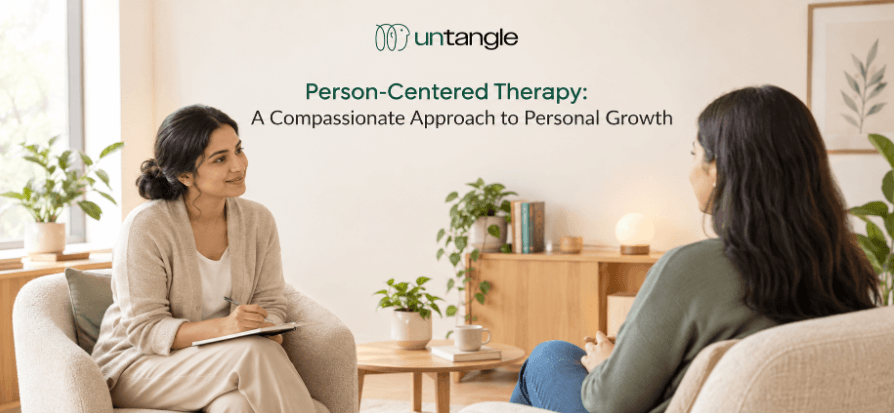
The therapist does not typically take the role of an authority who tells the client exactly what to do. Instead, the therapist listens carefully, asks relevant questions, reflects on what the client shares, and works collaboratively with them.
The approach is often associated with three core conditions identified by Carl Rogers:
Empathy
The therapist aims to understand the client’s experiences from their perspective. This involves listening attentively rather than making assumptions about what someone is feeling or thinking.
Congruence
Congruence refers to genuineness and authenticity within the therapeutic relationship. The therapist aims to be sincere and present rather than hiding behind an overly formal professional role.
Unconditional Positive Regard
This means maintaining an accepting and non-judgmental attitude toward the client. It does not mean agreeing with every decision or behaviour. Instead, it involves respecting the person while allowing them to discuss difficult experiences openly.
Together, these principles help establish a therapeutic relationship based on trust, respect, and collaboration.
How Does Person Centered Therapy Work?
One of the defining features of person centered therapy is that sessions are guided largely by the client’s experiences and priorities.
For example, someone may arrive at a session feeling confused about a relationship, work situation, personal decision, or recurring emotional difficulty. Rather than immediately giving advice, the therapist may encourage the individual to describe what has been happening and explore how they understand the situation.
Over time, this process may help the person identify patterns, clarify their values, and better understand their emotional responses.
The Therapist as a Facilitator
The therapist’s role is often described as a facilitator rather than an instructor. They create conditions that encourage open communication and self-reflection.
This can be particularly useful for people who want to understand themselves more deeply rather than simply receive a list of instructions.
Client-Led Conversations
Sessions may not follow a rigid script. The discussion can develop according to what the client considers important at that moment.
That flexibility does not mean therapy lacks direction. The therapist can still help maintain a meaningful focus and encourage reflection when appropriate.
See also: Mental Health Symptoms That Should Never Be Ignored
Potential Benefits of a Person-Centered Approach
The experience of therapy varies from one individual to another, and no counselling approach is suitable for everyone. However, person centered therapy has several characteristics that many people may find valuable.
Encourages Self-Awareness
Talking through experiences in a supportive environment can give people an opportunity to examine thoughts, emotions, relationships, and personal values more carefully.
Supports Personal Autonomy
Rather than making decisions on behalf of the client, the approach encourages individuals to consider their own needs and perspectives. This emphasis on autonomy can make the therapeutic process feel collaborative.
Provides Space for Open Expression
Some people find it difficult to discuss personal experiences when they expect criticism or judgment. A respectful therapeutic environment can make it easier to communicate honestly.
Builds a Collaborative Therapeutic Relationship
The relationship between therapist and client is an important part of this approach. Open communication, empathy, and mutual respect can contribute to a more comfortable counselling experience.
Who May Consider Person Centered Therapy?
Person centered therapy can be considered by people who want a supportive setting for self-exploration and personal reflection. It may be relevant to individuals dealing with relationship concerns, life transitions, work-related stress, self-esteem questions, emotional challenges, or personal development goals.
It is important to remember that therapy is highly individual. A qualified mental health professional can help determine whether a person-centered approach or another form of counselling is appropriate for their situation.
For people in India, practical factors such as language, cultural background, accessibility, online or in-person sessions, and personal comfort may also influence the choice of therapist.
What Can You Expect During a Session?
A first counselling session may involve discussing what brought you to therapy, your current concerns, and what you hope to gain from counselling.
With person centered therapy, you may notice that the therapist spends considerable time listening and understanding your perspective. You may be encouraged to describe experiences in your own words rather than fitting them into a predetermined framework.
There may also be moments of silence or reflection. These can provide time to think rather than feeling pressured to produce an immediate answer.
Tips for Getting More From Counselling
Be as honest as you feel comfortable being. Therapy can be more meaningful when you can discuss experiences openly.
Share your expectations. If you have specific goals or concerns about counselling, let your therapist know.
Give the process time. Building trust and understanding can take more than one session.
Ask questions. You can ask about the therapist’s approach, qualifications, confidentiality, session format, and anything else that affects your comfort.
Choose a qualified professional. Consider the therapist’s education, professional credentials, experience, and approach when deciding whom to work with.
Person-Centered Therapy in the Indian Context
Mental health conversations in India have changed considerably, with more people seeking counselling for personal, emotional, and relationship-related concerns. Even so, individuals may have different expectations of therapy based on family structures, social environments, cultural values, and previous experiences.
A person-centered approach allows room for the individual’s own perspective. This can be important because there is no single experience of emotional well-being that applies to everyone.
Online counselling has also made it possible for some people to access therapists without travelling to a clinic. Others may prefer face-to-face sessions. The most suitable format depends on individual circumstances and professional guidance.
FAQs About Person Centered Therapy
1. What is the main goal of person centered therapy?
The approach focuses on providing a supportive therapeutic environment where individuals can explore their experiences, develop self-awareness, and make decisions based on their own values and perspectives.
2. Is person centered therapy the same as counselling?
Person centered therapy is a specific humanistic approach to counselling. Counselling itself can involve several different therapeutic approaches, depending on the client’s needs and the professional’s training.
3. Does a person-centered therapist give advice?
Generally, the therapist does not primarily act as an advice-giver. Instead, they facilitate discussion and reflection, helping clients explore their own thoughts, feelings, options, and goals.
4. Can person centered therapy be done online in India?
Online counselling may be available depending on the therapist or counselling organisation. Before beginning sessions, clients should discuss the platform, privacy arrangements, session format, and professional credentials.
5. How do I choose a person-centered therapist?
Look for a qualified professional with appropriate training and experience. You can also ask about their therapeutic approach, session structure, confidentiality practices, and whether they have experience working with concerns similar to yours.
Conclusion
Person centered therapy offers a different perspective on counselling by placing the individual’s experiences, choices, and personal perspective at the heart of the therapeutic relationship. Its emphasis on empathy, authenticity, acceptance, and collaboration can create space for meaningful self-reflection.
Choosing a counselling approach is a personal decision. If you are considering therapy, speaking with a qualified professional can help you understand which approach may suit your circumstances and goals.
For people in India looking for a supportive space to explore personal or emotional concerns, Untangle offers counselling and psychotherapy services designed around individual needs and experiences. You can learn more about their approach and available counselling options before deciding what feels appropriate for you.