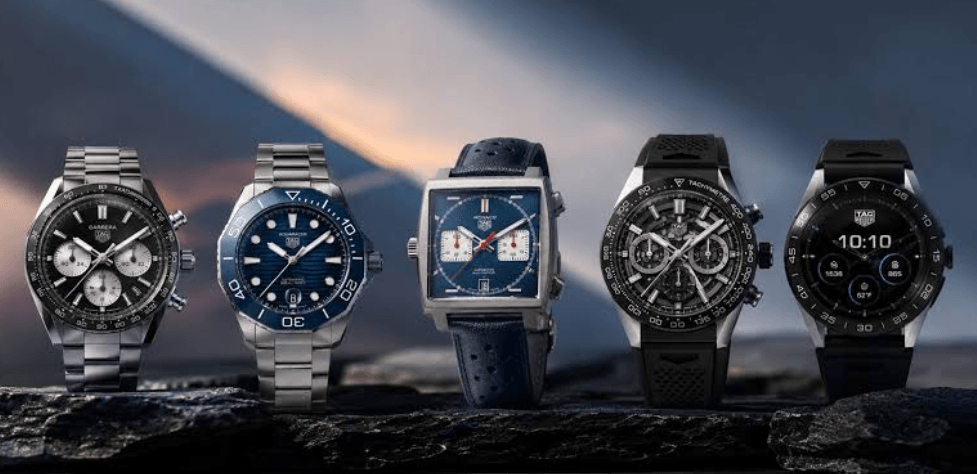
Luxury watches have long been regarded as more than just instruments for telling time. They are a symbol of craftsmanship, precision, heritage, and status. For collectors and enthusiasts alike, understanding the world of luxury watches requires insight into their history, design, functionality, and investment value. This guide provides a comprehensive overview of luxury watches to help inform decisions for those interested in acquiring one.
History of Luxury Watches
The evolution of luxury watches is closely tied to advances in horology. Early timepieces were utilitarian, but over centuries they developed into intricate devices showcasing artistic and technical mastery. Renowned brands have contributed to this heritage, each with signature designs and pioneering innovations. The 20th century saw the rise of wristwatches replacing pocket watches, further refining luxury as a blend of function and style.
The Role of Swiss Watchmaking
Swiss watchmaking is central to luxury watchmaking history. Precision engineering and strict quality standards have made Switzerland synonymous with luxury in this domain. Many leading brands originate from Switzerland, maintaining a reputation for excellence and exclusivity.
Characteristics of Luxury Watches
What distinguishes luxury watches from regular timepieces is the combination of materials, craftsmanship, and technological innovation. Components often include precious metals such as gold and platinum, sapphire crystals, and high-grade mechanical movements. The intricate work involved adds considerable value and durability.
Materials and Craftsmanship
The choice of materials directly influences the watch’s aesthetic and longevity. High-quality metals resist corrosion, while synthetic sapphire glass protects the dial from scratches. Luxury watchmakers often hand-assemble movements, ensuring precision and reliability beyond mass-produced alternatives.
Mechanical Movements
Mechanical movements, including manual and automatic calibres, are predominant in luxury watches. Unlike quartz movements, mechanical watches demonstrate craftsmanship and can function without batteries. Appreciators of horology value the complexity and tradition inherent in these mechanisms.
Popular Complications in Luxury Watches
Complications refer to functions beyond basic timekeeping, such as chronographs, calendars, moon phases, and tourbillons. These features highlight the watchmaker’s skill and often increase the watch’s desirability and price. Collectors seek watches with distinctive complications to diversify their collections.
Chronographs
Chronographs allow the wearer to measure elapsed time and are respected for their engineering complexity and utilitarian value. Many luxury watches incorporate chronographs for both aesthetic and functional purposes.
Calendars and Moon Phases
A perpetual calendar can display day, date, month, and even leap years, continuing without adjustment for decades. Moon phase complications track lunar cycles and add a poetic element to the dial design.
Leading Luxury Watch Brands
Several brands dominate the luxury watch market, each with a distinct heritage and style. Names like Rolex, Patek Philippe, Audemars Piguet, Omega, and Jaeger-LeCoultre represent benchmarks in quality, innovation, and reputation.
Rolex
Rolex is arguably the most recognised luxury watch brand worldwide. Their watches combine robust construction with iconic designs, often retaining or increasing value over time.
Patek Philippe
Patek Philippe focuses on exquisite craftsmanship and complex complications. Their limited production and exclusivity appeal to serious collectors seeking artful timepieces.
How to Choose a Luxury Watch
Selecting the ideal luxury watch depends on several factors, including personal taste, intended use, and budget. Potential buyers should consider the watch’s design, brand heritage, mechanical specifications, and resale potential.
Design and Style
Luxury watches offer diverse designs ranging from classic dress watches to sporty chronographs. Matching the watch to one’s lifestyle and wardrobe enhances satisfaction with the purchase.
Functionality and Movement
Understanding the movement type—manual, automatic, or quartz—and additional features helps buyers select a watch suited to their preferences and maintenance capacity.
Investment and Value Retention
Many luxury watches maintain or appreciate in value, making them desirable as investments. Researching historical price trends and brand reputation assists in making financially sound choices.
Maintenance of Luxury Watches
Proper care ensures a luxury watch’s longevity and performance. Regular servicing by authorised professionals is essential to maintain mechanical accuracy and aesthetic condition.
Servicing Intervals
Manufacturers typically recommend servicing every 3 to 5 years. This process involves disassembly, cleaning, lubrication, and adjustment of the movement, preserving its precision.
Storage and Handling
Storing watches in protective cases away from magnets and extreme temperatures prevents damage. Handling with care minimises the risk of scratches or mechanical faults.
Where to Purchase Luxury Watches
Purchasing from authorised dealers or reputable retailers ensures authenticity and warranty coverage. Established luxury watch stores provide expert advice and access to the latest collections.
One valuable resource to explore authentic luxury watches is reputable jewellery and watch retailers offering a wide selection of brands and styles. These platforms often provide detailed product information and customer testimonials, aiding informed decisions.
Conclusion
Luxury watches encapsulate a blend of tradition, technology, and timeless style. They are not simply devices to measure time but represent a commitment to excellence and lasting value. Understanding their history, features, and market dynamics equips buyers and collectors to appreciate and select watches befitting their preferences and ambitions.
By investing time in research and choosing wisely, owning a luxury watch becomes a gratifying experience that transcends trends and generations.