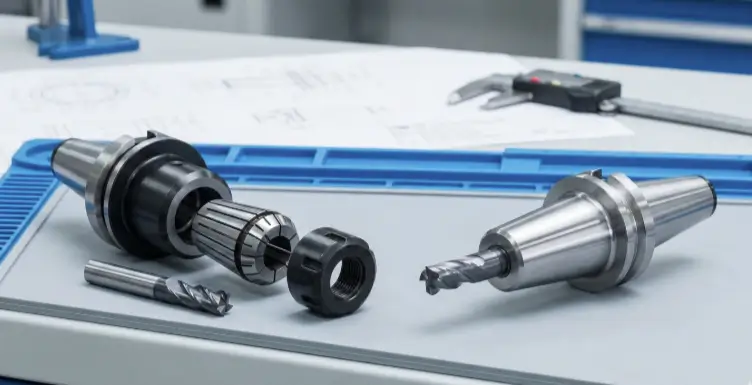
Manufacturing depends on accuracy, stability, and consistent performance. While machines perform essential cutting, drilling, milling, and finishing operations, the accessories used with them also play an important role in achieving the desired results. Machine tool accessories help secure workpieces, hold cutting tools, control machining movements, and improve the efficiency of production processes.
Choosing suitable accessories can reduce errors, improve surface quality, and support safer working conditions. However, the right selection depends on several factors, including the machine type, material being processed, machining operation, and required tolerances. This guide explains the different types of accessories, their applications, and the factors to consider before choosing them. It also explores how these components support modern manufacturing and precision engineering.
Understanding the Role of Accessories in Machining Operations
Machine tool accessories are supporting components used with industrial machines to perform machining tasks accurately and efficiently. They help position tools, secure materials, control movements, and maintain stability during operations.
Common examples include tool holders, workholding fixtures, machine vises, collets, clamping systems, rotary tables, and measurement accessories. Each component serves a specific purpose, depending on the machine and the task.
For example, a milling machine may require a suitable tool holder and a fixture to keep the workpiece stable. A drilling machine may need a chuck to grip the drill securely. Selecting compatible accessories helps improve repeatability, reduce setup time, and maintain consistent machining quality.
Essential Types of Machine Tool Accessories and Their Functions
Different machining operations require different supporting components. Understanding their functions makes it easier to identify the right accessories for a particular application.
Tool Holders and Clamping Systems
Tool holders connect cutting tools to machine spindles and keep them securely positioned during machining. Their design affects tool stability, alignment, and vibration control. A suitable holder helps maintain cutting accuracy and reduces the risk of tool movement during demanding operations.
Workholding Fixtures and Machine Vises
Workholding fixtures and machine vises hold materials in position during cutting, drilling, and milling. They prevent unwanted movement and help maintain dimensional accuracy. The clamping method should provide sufficient holding force without damaging the workpiece, particularly when handling thin or delicate materials.
Collets and Tool Chucks
Collets and chucks grip cutting tools or other components during machining. They are available in different sizes and designs to accommodate specific tool diameters. Choosing the correct gripping system improves tool retention, supports accurate rotation, and helps maintain consistent machining results.
Rotary Tables and Indexing Devices
Rotary tables allow workpieces to be positioned at different angles, making it easier to machine multiple sides of a component. Indexing devices help achieve repeatable angular positions. These accessories are particularly useful when producing complex parts that require several machining operations.
Measurement and Alignment Accessories
Measurement accessories, including indicators and alignment tools, help operators check positioning, runout, and dimensional accuracy. Regular checks can identify setup errors before they affect the finished component, reducing material waste and the need for rework.
How to Select the Right Accessories for Your Machine
Choosing suitable accessories requires more than comparing dimensions or prices. The component must match the machine, the machining process, and the requirements of the finished part.
Check Machine Compatibility
Start by checking the machine spindle, mounting interface, operating speed, and available space. An accessory that does not fit correctly may affect accuracy or create safety risks. Always confirm the manufacturer’s technical specifications before installation.
Consider Material and Machining Requirements
Different materials require different cutting conditions and clamping methods. Hard metals may need rigid setups, while softer materials may require carefully controlled clamping pressure. Consider the cutting forces, tool geometry, and finish requirements before making a selection.
Evaluate Accuracy and Repeatability
Precision machining depends on consistent positioning and minimal movement. Accessories with suitable tolerances, reliable clamping, and low runout can help achieve repeatable results. This is especially important when producing components with tight dimensional requirements.
Review Maintenance and Operating Costs
The initial purchase price is only one part of the total cost. Consider cleaning requirements, replacement parts, service life, setup time, and the cost of potential downtime. A durable accessory that maintains its accuracy may provide better long-term value than a cheaper component that needs frequent replacement.
Important Applications Across Modern Manufacturing
Accessories support a wide range of industrial processes. Their design and capabilities influence how accurately, safely, and efficiently different components can be produced.
Milling, Drilling, and Turning
During milling, drilling, and turning, accessories help hold tools and workpieces in the correct position. Stable setups reduce unwanted vibration and support consistent cutting performance. The correct combination of holders and fixtures also helps operators repeat machining operations with fewer adjustments.
Die and Mold Production
In Tool and Die Machining, components often require complex shapes, precise dimensions, and smooth surfaces. Secure workholding, accurate tool positioning, and reliable clamping help maintain these requirements. Suitable accessories also make it easier to access different surfaces and complete multiple operations efficiently.
Medical and Precision Components
Manufacturing small optical parts, medical components, and other precision products requires careful control of dimensions and surface quality. Stable toolholding and accurate workpiece positioning help reduce errors when working with small, delicate, or complex components.
Automated Production Lines
Automated manufacturing systems use accessories to support repeatable operations with limited manual intervention. Clamping units, gripping components, and tool-changing systems help machines and robots handle parts consistently. Proper selection can also reduce interruptions caused by incorrect positioning or unreliable gripping.
Improving Machining Accuracy Through Better Toolholding
Toolholding directly affects cutting performance, machining stability, and finished-part quality. A poorly matched holder can cause vibration, excessive runout, premature tool wear, and dimensional errors.
Understanding Hydraulic Tool Holders
Hydraulic Tool Holders use hydraulic pressure inside the holder to grip a cutting tool evenly. This design can provide good concentricity and vibration damping when the holder is used within its specified operating conditions. They are commonly considered for precision milling, drilling, and finishing operations.
However, users must check tool compatibility, maximum speed, clamping requirements, and maintenance instructions. The holder must also be suitable for the cutting forces and operating conditions of the intended application.
Choosing Precision Toolholders
Precision Toolholders are designed to maintain accurate tool positioning and minimize runout. They are useful in applications where small dimensional errors can affect the final component. Selection should consider spindle compatibility, tool diameter, balance requirements, operating speed, and the type of machining being performed.
Regular inspection is equally important. Dirt, damaged contact surfaces, or incorrect assembly can reduce the accuracy of even a high-quality holder. Clean mounting interfaces and follow the recommended inspection schedule to maintain reliable performance.
See also: Business Financing Ottawa: A Practical Guide for Growing Businesses
Why Toolholding and Workholding Must Work Together
Toolholding and Workholding are closely connected because both influence the stability of the machining process. Toolholding secures the cutting tool, while workholding keeps the material in position. If either side is unstable, the finished component may develop dimensional errors, poor surface quality, or unwanted vibration.
For example, a precisely mounted milling cutter cannot deliver consistent results if the workpiece shifts during cutting. Similarly, a firmly clamped component may still produce inaccurate results if the tool holder has excessive runout.
A balanced setup considers both systems together. Operators should check clamping force, tool projection, alignment, rigidity, and clearance before starting the machine. This approach helps improve repeatability and supports safer, more controlled machining operations.
The Role of SCHUNK in Modern Manufacturing Solutions
SCHUNK works across toolholding and workholding, gripping technology, and automation technology. Its expertise covers applications that require careful handling, precise machining, and reliable movement of components throughout production.
These applications range from processing micro-optical components with extremely small dimensions to moving delicate food products without breaking them. The company also works with machining processes used to create implant surfaces that closely resemble natural joint structures.
Alongside individual high-tech components, SCHUNK supplies integrated solutions for robotic systems and a variety of manufacturing and automation processes. This approach reflects how modern production often combines machining equipment, secure clamping, gripping systems, and automated handling.
When evaluating an industrial setup, manufacturers should consider how these functions work together rather than treating every component as a separate purchase. The requirements of the application, the characteristics of the material, and the desired production results should guide the final selection.
Practical Maintenance Tips for Longer Accessory Life
Regular maintenance helps accessories retain their accuracy and operate reliably. Even well-designed components can lose performance when exposed to contamination, wear, or incorrect handling.
● Clean contact surfaces: Remove chips, dust, and residue before mounting accessories to prevent alignment problems.
● Inspect for wear: Check gripping surfaces, clamping mechanisms, and mounting interfaces for visible damage.
● Follow speed limits: Never operate an accessory beyond its specified maximum speed or load.
● Use correct clamping force: Excessive force can damage delicate parts, while insufficient force can allow movement.
● Store components properly: Keep precision accessories in suitable storage conditions to protect them from corrosion and accidental damage.
● Follow manufacturer instructions: Use the specified installation, inspection, lubrication, and maintenance procedures.
Consistent maintenance can reduce unexpected downtime, improve operational safety, and help maintain machining accuracy over time.
Conclusion
Selecting suitable accessories is an important part of achieving reliable machining results. From tool holders and machine vises to clamping fixtures and measurement devices, every component contributes to the stability, accuracy, and efficiency of a manufacturing process. The best choice depends on machine compatibility, material properties, cutting conditions, required tolerances, and maintenance needs.
Manufacturers should also consider how different components work together, since secure workholding and accurate tool positioning are both necessary for consistent results. Regular inspection and correct installation help extend accessory life and reduce avoidable production problems. Whether a workshop handles basic drilling operations or complex automated manufacturing, understanding accessory functions makes equipment selection more practical. Reviewing the available Machine Tools and compatible accessories can help identify solutions that match specific production requirements.