Cancer treatment saves lives, but it can also leave lasting effects on the respiratory system. Chemotherapy, radiation therapy, and targeted treatments occasionally damage lung tissue in ways that emerge months or years after treatment ends. For patients who survive their cancer only to face progressive breathing problems, understanding these complications and the available interventions becomes crucial to maintaining quality of life.
How Cancer Therapies Damage Lung Tissue
Certain chemotherapy agents, particularly bleomycin, busulfan, and carmustine, are known to cause pulmonary fibrosis—a condition where lung tissue becomes scarred and stiff. The damage typically begins at the cellular level, triggering inflammation that eventually leads to irreversible scarring. Radiation therapy directed at chest tumors can similarly cause radiation pneumonitis, an inflammatory condition that may progress to chronic fibrosis.
The risk varies considerably based on the specific drugs used, cumulative doses, and whether treatments are combined. Patients who receive both chemotherapy and radiation face higher risks than those who receive either therapy alone. Age, pre-existing lung conditions, and smoking history further influence individual susceptibility. Some patients experience symptoms within weeks of treatment, while others remain asymptomatic for years before respiratory function begins to decline.
Recognizing the Warning Signs
Early symptoms often appear subtle and non-specific. Patients may notice they tire more easily during physical activities they previously managed without difficulty. A persistent dry cough that develops months after cancer treatment should prompt evaluation, as should unexplained shortness of breath that worsens over time. Some patients describe a feeling of not being able to take a full, deep breath.
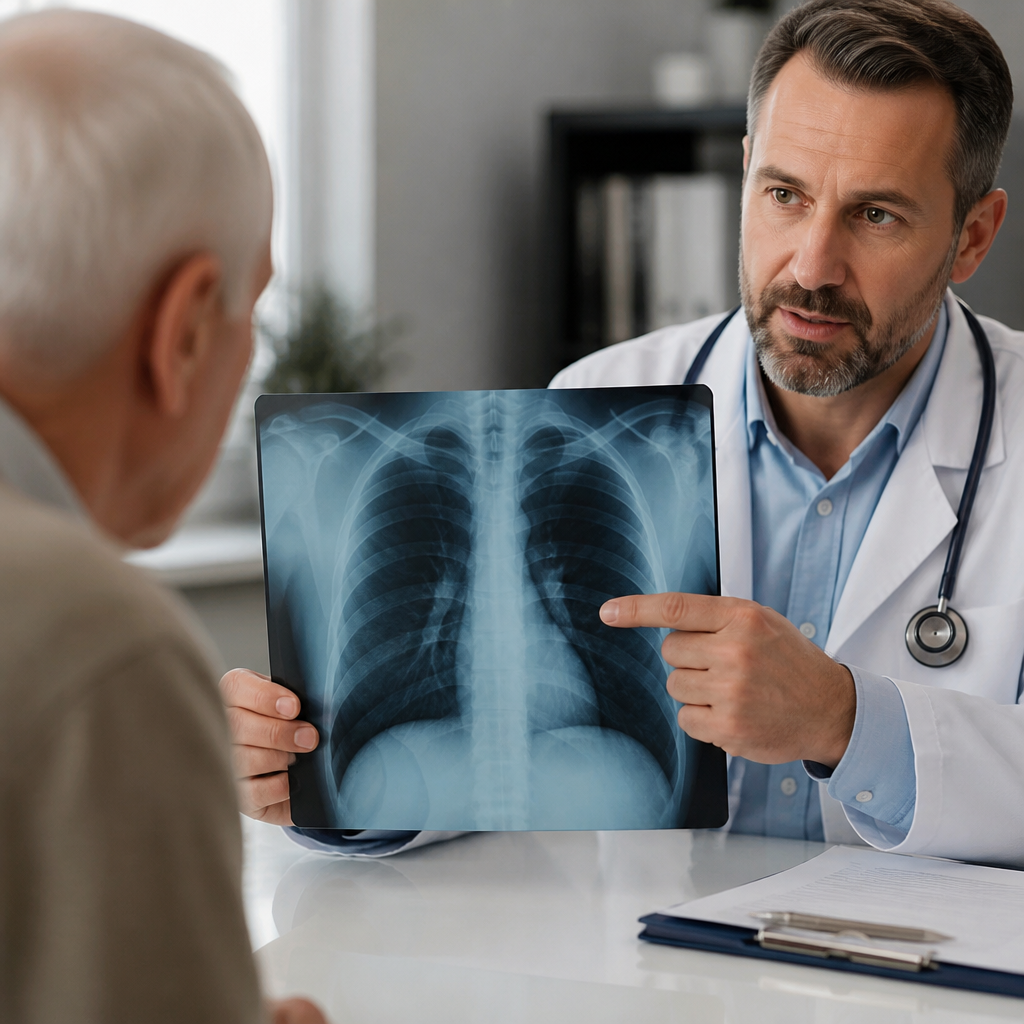
Healthcare providers typically monitor high-risk patients with periodic pulmonary function tests and chest imaging. These assessments can detect declining lung capacity before symptoms become severe. Catching problems early allows for interventions that may slow progression, though reversing established fibrosis remains challenging with current medical approaches.
Managing Chronic Respiratory Complications
Treatment focuses on symptom management and preserving remaining lung function. Corticosteroids can reduce inflammation in acute cases, though their effectiveness diminishes once fibrosis becomes established. Supplemental oxygen helps patients maintain adequate blood oxygen levels as lung capacity declines. Pulmonary rehabilitation programs teach breathing techniques and exercises that maximize the efficiency of remaining lung tissue.
Antifibrotic medications such as pirfenidone and nintedanib, originally developed for idiopathic pulmonary fibrosis, show promise in slowing progression of treatment-related lung damage. However, these drugs come with side effects and may not be appropriate for all patients. The decision to start these medications requires careful discussion of potential benefits against known risks.
Lifestyle modifications also play an important role. Avoiding respiratory irritants, maintaining physical activity within tolerable limits, and staying current with vaccinations against respiratory infections help protect compromised lungs. Some patients benefit from complementary approaches that address musculoskeletal strain from altered breathing patterns, though these should supplement rather than replace conventional respiratory care.
When Conventional Management Reaches Its Limits
For a subset of patients, lung damage progresses despite optimal medical management. Respiratory function deteriorates to the point where daily activities become impossible without continuous oxygen support. When lung tissue can no longer sustain adequate gas exchange, more definitive interventions must be considered.
Advanced cancer treatment centers now recognize that cancer survivors with severe treatment-related lung damage may be candidates for surgical interventions once considered only for other forms of end-stage lung disease. Specialized programs evaluate these complex cases through multidisciplinary teams that include oncologists, pulmonologists, thoracic surgeons, and transplant specialists. The evaluation process assesses whether cancer remains in remission, examines overall health status, and determines if the patient can withstand major surgery.
For carefully selected patients who have maintained cancer remission for an appropriate period and meet other stringent criteria, Lung transplant UAE programs offer comprehensive evaluation and care. These specialized services bring together expertise in managing the unique challenges that cancer survivors face, including careful assessment of recurrence risk and coordination with oncology teams to ensure transplant candidacy aligns with long-term cancer prognosis.
The Evolving Landscape of Cancer Treatment
Oncologists increasingly recognize pulmonary toxicity as they develop newer cancer therapies. Advances in personalized medicine allow for more targeted approaches that may reduce collateral damage to healthy lung tissue. Immune checkpoint inhibitors, while revolutionary for treating many cancers, introduce their own respiratory risks including immune-related pneumonitis that requires different management strategies than chemotherapy-induced lung damage.
Clinical trials now routinely incorporate pulmonary function monitoring as part of safety assessments. Researchers work to identify biomarkers that predict which patients face highest risk for lung complications, potentially allowing for dose adjustments or alternative treatment selection before irreversible damage occurs. Proton beam radiation, available at some specialized centers, delivers more precise targeting that may spare surrounding lung tissue compared to conventional radiation.
Supporting Patients Through Respiratory Complications
Living with treatment-related lung damage requires substantial psychological adjustment. Patients who successfully battled cancer may feel betrayed when the treatments that saved their lives create new limitations. Support groups connecting cancer survivors dealing with similar late effects provide valuable peer support and practical coping strategies.
Healthcare teams should maintain open communication about prognosis and realistic expectations. Some patients experience stable lung function for years with appropriate management, while others face progressive decline. Advanced care planning becomes important as respiratory disease progresses, ensuring that treatment decisions align with individual values and goals. Palliative care specialists can help manage symptoms and improve quality of life regardless of disease trajectory.
Looking Forward
As cancer survival rates continue improving, the population of long-term survivors living with treatment complications grows. Healthcare systems must adapt to provide appropriate monitoring, early intervention, and access to specialized services when complications arise. Research into protective strategies, such as concurrent medications that shield lung tissue during cancer treatment, may eventually reduce the incidence of severe pulmonary toxicity.
For patients currently managing respiratory complications, staying engaged with specialized care teams and maintaining realistic but hopeful perspectives helps navigate the challenges. While treatment-related lung damage represents a serious concern, ongoing advances in both cancer therapy and respiratory medicine continue expanding options for patients facing these complex situations.