You are not just choosing someone to clean teeth. You are choosing who will talk to your child when they are scared, who will explain a treatment plan when the cost feels heavy, and who will answer you without making you feel rushed or judged. That is why trust matters so much in a family dentist office, and trust rarely starts with tools or technology. It starts with how people speak to each other, including when discussing Rancho San Diego dental implants.
In many families, dental visits carry old stress. A parent may worry about a child who gags during X rays. A teen may hide tooth pain because they do not want braces or fillings. An older adult may nod along even when they do not fully understand what the dentist said. When communication is unclear, people delay care, miss details, and leave with more anxiety than they brought in. Open communication in family dentistry changes that. It helps every person in the room feel informed, respected, and safe enough to come back.
Family dentistry trust grows when people feel heard
Trust is built in small moments. A dentist explains what they see before naming a procedure. A hygienist notices that your child is tense and slows down. A front desk team gives a clear estimate instead of vague numbers. These moments tell you whether a practice sees your family as people or as a schedule to move through.
When communication is weak, the problems spread fast. A parent who does not understand why a sealant was recommended may assume it is optional upselling. A patient who hears “watch this tooth” may not realize that means a cavity could worsen before the next visit. A child who is told “this won’t hurt” and then feels discomfort may stop trusting every word after that. The issue is not only confusion. It is the gap between what was meant and what was understood.
Clear communication lowers that risk. The Centers for Disease Control and Prevention points to plain language and communication strategies that help people understand health information better. In a dental setting, that can mean shorter explanations, visual examples, and asking patients to repeat key instructions in their own words.
Clear dental communication helps families make better decisions
Most dental decisions are not made in a calm vacuum. They happen while your child is fidgeting, your phone is buzzing, and you are trying to remember what your insurance covers. In that moment, vague language is expensive. If you are told your child “might need something later,” you may put off follow up care. If you hear “deep cleaning” without understanding why it differs from a regular cleaning, the treatment can feel unnecessary or alarming.
Trust in a family dentist grows when explanations match real life. Instead of saying “periodontal scaling is indicated,” a dentist can say, “Your gums are inflamed, and bacteria has moved below the gumline. A regular cleaning will not reach it.” That gives you a reason, not just a recommendation.
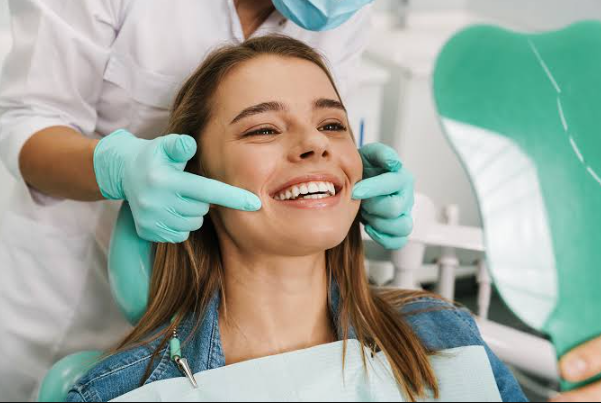
This matters for children and adults alike. Kids often read the room before they hear the words. If the dentist speaks gently, tells them what will happen next, and gives them a simple job like raising a hand for a break, fear drops. Adults need the same respect. You should be able to ask about pain, cost, timing, and options without feeling difficult.
The Agency for Healthcare Research and Quality supports using a “teach back” method, where patients explain instructions in their own words so misunderstandings can be caught early. Their guidance on confirming understanding with patients fits dental care well, especially after procedures when home care matters.
Open communication in family dentistry reduces fear, mistakes, and surprise costs
Silence creates room for assumptions. Assumptions are where trust starts to crack. If your family is not told what a filling feels like after numbness wears off, normal soreness may feel alarming. If no one explains that a crown often takes more than one visit, the second appointment can feel like an unwelcome surprise. If fees are discussed only at checkout, even good care can leave a bitter memory.
Families usually want three things from a dental visit. They want to know what is happening, why it matters, and what comes next. When those answers come early and clearly, people are more likely to follow through with treatment and routine care. That is good for oral health, and it is also good for relationships over time.
| Situation | Closed or unclear communication | Open, clear communication |
|---|---|---|
| Child is nervous about a cleaning | “It’s fine, sit still” | “You may feel tickling and water. Raise your hand if you need a pause.” |
| Adult needs a filling | Procedure named without explanation | Cause, steps, numbness, recovery, and cost are explained in plain words |
| Home care after treatment | Fast instructions at checkout | Written guidance plus a quick check that you understood it |
| Treatment estimate | General price range with no detail | Clear breakdown of expected fees, insurance limits, and follow up visits |
Practical steps help you find a family dentist you can trust
Pay attention to how the office explains simple things. The first phone call and first visit tell you a lot. Notice whether the team answers basic questions clearly, whether they explain delays, and whether they speak with patience. If communication is confusing when the issue is small, it usually gets worse when the issue is bigger.
Ask for plain language and written follow up. You do not need to pretend you understood something that felt rushed. Ask the dentist to explain a procedure in simpler words. Ask what happens if you wait. Ask for printed or emailed instructions. Strong family dental communication is not about using impressive terms. It is about leaving with clarity.
Bring one list of concerns for each family member. This keeps important details from getting lost. Include pain, sensitivity, habits like grinding, fear triggers, medication changes, and budget concerns. That list helps the dentist give advice that fits your real situation, not an ideal one.
Trust is built one honest conversation at a time
A good family dentist does more than treat teeth. They make room for questions, explain care in words you can use, and help each person in your family feel less alone in the chair. That kind of communication builds trust slowly, but once it is there, dental care gets easier to keep up with and easier to believe in.
If you are looking for a family dentist, choose a practice that speaks clearly, listens closely, and respects your concerns from the first conversation onward.