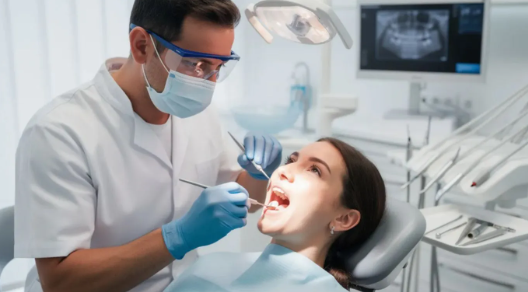
You may be looking at veneers, bonding, whitening, or crowns because something about your smile has bothered you for a while. Maybe a chipped tooth catches your eye in every photo. Maybe discoloration makes you hold back when you laugh. That feeling is real, and wanting cosmetic dental work does not make you vain. Antioch dentistry means you want to feel comfortable in your own face.
The part many people do not hear early enough is this. Cosmetic improvements last longer and look better when your mouth is healthy first. If gum disease, decay, enamel wear, or bite problems are already there, cosmetic restorations can end up covering trouble instead of fixing it. Good looks built on a weak foundation rarely hold up. Preventive care protects your health, your budget, and the results you are hoping for from a general and cosmetic dentist.
Preventive dental care supports better cosmetic dental restorations
Preventive dental care before cosmetic work is not a delay tactic. It is the groundwork. A dentist needs to know whether your teeth and gums can support the treatment you want. A small cavity under a future veneer, inflamed gums before impressions, or grinding that chips bonding can turn a cosmetic plan into a short lived fix.
This is where the basics matter more than people expect. Routine cleanings remove buildup that can hide early decay. Exams can catch cracks, gum recession, bite stress, and signs of infection before they worsen. According to MedlinePlus information on dental exams, a dental exam can identify problems in the teeth, gums, and surrounding tissues before symptoms become severe. That matters when you are about to invest in appearance based treatment.
You can picture the difference. One person gets whitening without treating decay first, then ends up with tooth pain and uneven color because one tooth needs a filling soon after. Another person wants veneers, but gum inflammation causes bleeding and swelling, which affects fit and appearance. The cosmetic procedure itself may be done well, but the timing was wrong.
Oral health before cosmetic dentistry also affects comfort. If your gums are sore, your teeth are sensitive, or your bite is unstable, cosmetic treatment can feel more stressful than it needs to. Prevention lowers the chance of surprises in the chair and complications after the work is done.
Hidden oral health problems can shorten the life of cosmetic dentistry
Cosmetic restorations are not armor. They do not stop decay, gum disease, or clenching. They sit in the same mouth, under the same daily forces, and depend on the same tissues. If those tissues are unhealthy, the restoration often pays the price.
Gum disease is one of the biggest examples. Swollen or receding gums can change the way veneers or crowns look along the gumline. Decay can form around the edges of restorations if brushing and flossing have been inconsistent. Grinding can crack porcelain and wear down bonding. Dry mouth can raise cavity risk, which matters if you already have restorations that need extra care.
The financial side hits hard too. Cosmetic procedures can be a meaningful investment, and repeating them early because the underlying problem was missed is frustrating. Many people think they are paying for beauty once, then find themselves paying for repair, replacement, and treatment of preventable disease.
The CDC’s oral health tips for adults point to the same foundation. Brushing with fluoride toothpaste, cleaning between teeth, limiting sugar, avoiding tobacco, and keeping regular dental visits all reduce the risk of disease that can undermine restorations later.
Preventive care and cosmetic dentistry work best together
Cosmetic dental restorations are strongest when prevention stays part of the plan. This is not only about getting a green light before treatment. It is about keeping the result stable after treatment too.
A dentist may recommend a cleaning before shade matching so whitening or restorations are planned on a cleaner surface. They may treat cavities first so decay does not spread under a crown. They may suggest a night guard if you clench, because the best veneer in the world still has limits. If you are a parent thinking ahead for your child’s long term oral health, the CDC also explains how dental sealants help protect teeth, which shows how prevention reduces damage before bigger treatment is ever needed.
| Situation | If preventive care is done first | If cosmetic treatment comes first |
| Small cavity on a front tooth | Decay is treated, then bonding or veneer can be placed on a healthier tooth | Decay may spread under the restoration and lead to replacement sooner |
| Bleeding or swollen gums | Gums can heal, improving fit, comfort, and appearance | Margins may look uneven and impressions may be less accurate |
| Night grinding | Night guard and bite review protect future cosmetic work | Bonding, veneers, or crowns may chip or loosen |
| Heavy plaque and tartar buildup | Cleaning creates a better starting point for color matching and planning | Stains and buildup can hide issues and affect final appearance |
Three steps to take before moving forward with cosmetic dental work
Schedule a full dental exam and cleaning. Ask for a clear review of cavities, gum health, enamel wear, bite issues, and old dental work. If you want cosmetic changes, say that up front so the exam can focus on both health and appearance.
Fix disease before fixing looks. Treat active decay, gum inflammation, infection, and grinding first. This can feel like a detour when you are eager to improve your smile, but it usually saves time, money, and frustration.
Build a maintenance plan you can keep. The best cosmetic result is the one you can protect. That may mean better home care, a fluoride plan, follow up cleanings, or a night guard. The right plan is the one that fits your real life, not the one that sounds perfect for a week.
A healthier foundation leads to a better looking smile
If you have been thinking about cosmetic treatment, you do not need to put that goal aside. You need to start in the right place. Prevention gives cosmetic dentistry a stronger base, helps restorations last longer, and lowers the odds that hidden problems will undo the result you wanted. A healthy mouth and a confident smile are not competing goals. They support each other.
When you are ready, book a visit with a general and cosmetic dentist and ask for a plan that puts health first and appearance right behind it.