A gummy or uneven smile can sometimes be linked to the amount, shape, or position of gum tissue around the teeth. In carefully selected cases, soft tissue grafting can improve gum contours, cover exposed root surfaces, and create a more balanced appearance. The procedure is not designed to change the size of the teeth themselves, but reshaping or adding gum tissue can influence how much of the teeth and gums are visible when you smile. Cape Cod Perio can evaluate the gum line, tooth proportions, and underlying periodontal health to determine which treatment best fits your smile.
What Makes a Smile Look Gummy or Uneven?
A gummy smile generally describes a smile in which more gum tissue is visible above the upper teeth than a person prefers. The appearance can have several causes. Some people naturally have a higher gum line, while others have teeth that appear shorter because gum tissue covers more of the tooth surface.
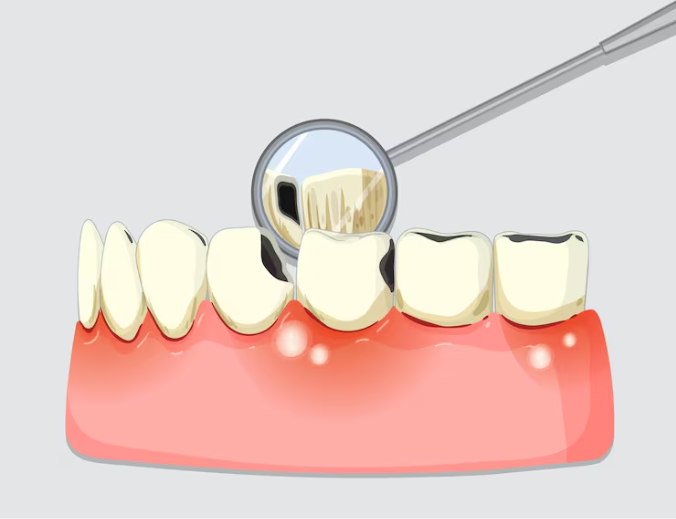
An uneven smile can also result from differences in gum height around individual teeth. Gum recession can create the opposite appearance by exposing more of the tooth root and making certain teeth look longer. In some cases, inflammation or periodontal disease changes the shape and texture of the gums.
Because several factors can create similar cosmetic concerns, treatment begins with an examination rather than choosing a procedure based only on appearance.
How Gum Tissue Affects Smile Appearance
Gum tissue provides a frame around the teeth. Its position, thickness, and contour influence how much tooth structure is visible and how evenly the teeth appear to sit along the smile line.
Healthy gums usually have a firm, natural contour around each tooth. When gum tissue is too prominent in one area, unevenly positioned, or lost from another area, the smile can appear less balanced.
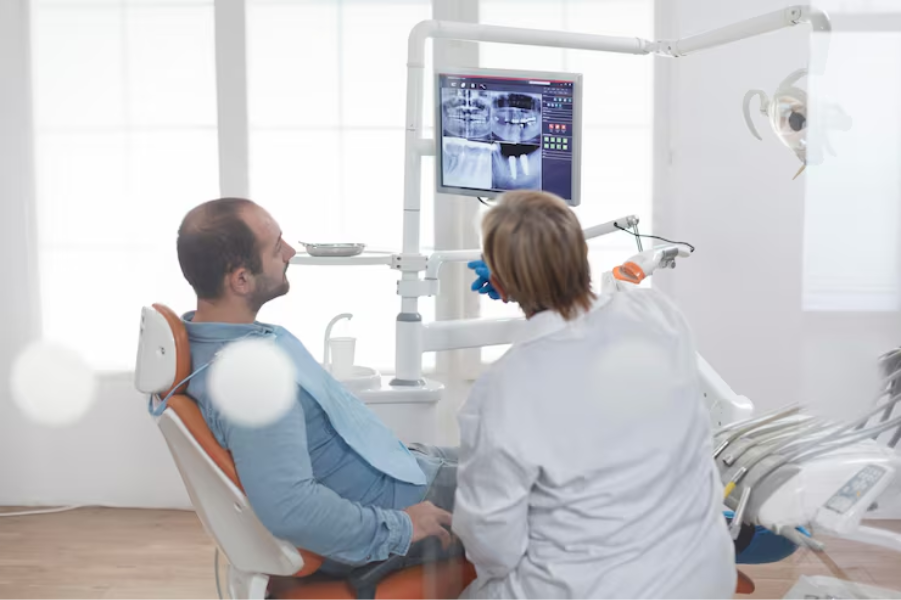
A periodontal specialist can assess the gum line and look for signs of recession, thin tissue, periodontal disease, or differences in gum levels. The evaluation may also consider the shape of the teeth and the relationship between the gums, teeth, and lips.
This matters because adding gum tissue is not appropriate for every type of gummy or uneven smile. Some patients may need gum contouring, restorative dental treatment, orthodontic care, or another periodontal procedure instead.
When a Soft Tissue Graft May Improve the Smile
A soft tissue graft surgery may be considered when insufficient gum tissue contributes to an uneven appearance or when exposed roots make certain teeth look noticeably longer.
During a dental soft tissue graft, tissue is placed in an area where additional gum coverage or thickness is needed. The tissue may come from another area of the mouth or from a processed donor material selected by the clinician.
The purpose can be functional as well as cosmetic. Adding tissue around a tooth with recession may protect the exposed root and create a more even gum contour. In selected cases, improving the thickness and position of the gum can make the smile appear more symmetrical.
A tissue graft dental procedure does not automatically correct a gummy smile caused by excessive gum coverage. The treatment must match the underlying cause.
Can Grafting Correct an Uneven Gum Line?
An uneven gum line can sometimes be improved with grafting, particularly when recession or thin gum tissue creates differences between neighboring teeth.
For example, one tooth may appear longer because its gum tissue has receded. If the surrounding teeth have a higher, more consistent gum line, the difference can become noticeable when smiling. A graft may restore coverage in the affected area and create a more harmonious transition.
The goal is not simply to add as much tissue as possible. Gum contours need to complement the natural shape of the teeth and surrounding tissues. Excess tissue or an improperly positioned graft can look unnatural, so careful planning is essential.
Grafting Versus Gum Contouring
Grafting and gum contouring address different problems.
Gum contouring generally involves removing or reshaping excess gum tissue to create a more even gum line. It may be appropriate when teeth appear short because too much gum tissue covers their crowns.
Grafting takes the opposite approach by adding tissue to areas where gum coverage or thickness is lacking. It can be useful for recession, thin gums, or localized areas that appear uneven because of tissue loss.
Some smile concerns involve both excess and insufficient tissue in different areas. A periodontal specialist can determine the appropriate treatment after examining the entire smile rather than focusing on one tooth.
What Happens During Treatment?
Before treatment, the gums are evaluated for health, recession, tissue thickness, and the position of the gum line. Any active periodontal problems should be addressed because healthy tissue is essential for predictable healing.
During a graft procedure, the treatment area is carefully prepared and the graft material is positioned over the area requiring additional coverage or thickness. Fine sutures may be used to stabilize the tissue.
The exact technique depends on the location and purpose of treatment. A dental tissue graft around a front tooth may require particularly careful attention to the gum contour because the area is highly visible when smiling.
After treatment, patients receive specific instructions for protecting the treated area during healing. Following those instructions helps support tissue stability and promotes a healthy result.
What Can Patients Expect From the Appearance?
The appearance of the gum line changes as the treated tissue heals and settles. The final result depends on several factors, including the original amount of recession, tissue thickness, tooth position, gum health, and the technique selected.
A successful graft should look and feel like a natural part of the surrounding gum tissue. The aim is a balanced gum contour rather than an obvious patch of added tissue.
Patients should also understand that grafting is not a cosmetic shortcut. The procedure is most useful when there is a clear periodontal reason for modifying the gum tissue. A specialist should assess the cause of the uneven appearance before treatment is recommended.
See also: Health Insurance for Senior Citizens: Best Plans.
Why Gum Health Matters for a More Attractive Smile
Healthy gums provide the foundation for any cosmetic periodontal treatment. Red, swollen, bleeding, or tender gums can indicate inflammation or periodontal disease, which may need attention before elective treatment.
Good oral hygiene also matters after a graft. Patients need to follow their clinician’s instructions for cleaning around the treated area and maintaining long-term periodontal health.
At Cape Cod Perio, the focus is not simply on changing the visible gum line. The condition of the supporting tissues, tooth roots, and surrounding gums must also be considered so treatment serves both appearance and oral health.
Signs That a Periodontal Evaluation May Be Helpful
A consultation may be appropriate if you notice:
- Gum recession that makes one or more teeth appear longer than neighboring teeth.
- An uneven gum line that becomes especially noticeable when smiling.
- Thin or delicate gum tissue around front teeth.
- Exposed tooth roots or increased sensitivity near the gum line.
These signs do not automatically mean a graft is needed. They indicate that a professional evaluation could help identify the reason behind the change.
A More Balanced Smile Starts With the Right Diagnosis
A gummy or uneven smile can have more than one cause, and gum tissue is only one part of the picture. For some patients, adding tissue can improve symmetry, protect exposed roots, and create a smoother transition along the gum line. For others, reducing excess gum tissue or addressing tooth position may be more appropriate.
The value of a dental soft tissue graft lies in matching the procedure to the specific condition being treated. A periodontal evaluation can show how the gums, teeth, and supporting structures interact and help determine the most suitable option.
If changes in your gum line are affecting your confidence or you have noticed recession around your teeth, professional guidance can provide clarity. Schedule an Appointment Today to discuss your concerns and learn whether periodontal treatment can help create a healthier, more balanced smile.