A great deal of what security cameras are meant to catch happens after dark. Intrusions, vandalism, and trespassing cluster in the hours when visibility is poor and the property is quiet, which makes a camera’s performance in low light arguably more important than how it looks at midday. Yet night-time capability is one of the most misunderstood aspects of choosing a camera, wrapped in jargon and marketing claims that can be hard to decode. This guide explains how low-light imaging actually works and what to look for before you buy.
Two Different Ways to See in the Dark
Most cameras handle darkness in one of two ways. The first and most common is infrared night vision, where the camera emits infrared light invisible to the human eye and produces a clear black-and-white image in complete darkness. The second is low-light or starlight technology, which uses a highly sensitive sensor to capture usable color images from very small amounts of ambient light, such as a distant streetlamp or moonlight. Each approach suits different situations, and understanding the difference is the first step to choosing well.
When Infrared Makes Sense
Infrared is the dependable workhorse of night-time surveillance. Because the camera supplies its own light, it works even in total darkness, making it ideal for unlit areas such as back lots, storage yards, and interior spaces with no ambient light at all. The trade-off is that infrared footage is monochrome, so you lose color detail like the shade of a jacket or a vehicle. For many properties that limitation is perfectly acceptable, since a clear black-and-white image is far more useful than a color one too dark to read.
When Low-Light Color Wins
Where some ambient light exists, low-light or starlight cameras can deliver color footage through the night, and color carries information that monochrome simply cannot. The ability to describe what someone was wearing or the color of a car can be decisive when reviewing an incident. These cameras typically cost more and depend on at least a little available light to perform at their best, so they shine in areas with modest existing illumination rather than in pitch black.
Details That Make or Break Night Footage
Beyond the core technology, a few practical factors determine whether night footage is genuinely usable. The effective range of the infrared illuminators must match the distance you need to cover, since light that fades before it reaches the subject leaves it in shadow. Sensible placement matters too, because pointing a camera toward a light source at night creates the same glare problems it does by day. And supplementary lighting, whether steady or motion-activated, can dramatically improve results while adding a deterrent effect of its own.
Choosing the Right Camera for Your Conditions
Because no single night-vision approach suits every location, it is worth comparing options against your specific lighting conditions before committing. Take a moment to visit their website and look closely at the stated infrared range, low-light sensitivity, and how each model is described for the kind of environment you are covering. Matching the camera to the actual darkness it will face is what separates footage you can rely on from a screen full of useless shadow.
See also: Best Business Class Airlines to India for Luxury Travel
The Rise of Full-Color Night Vision
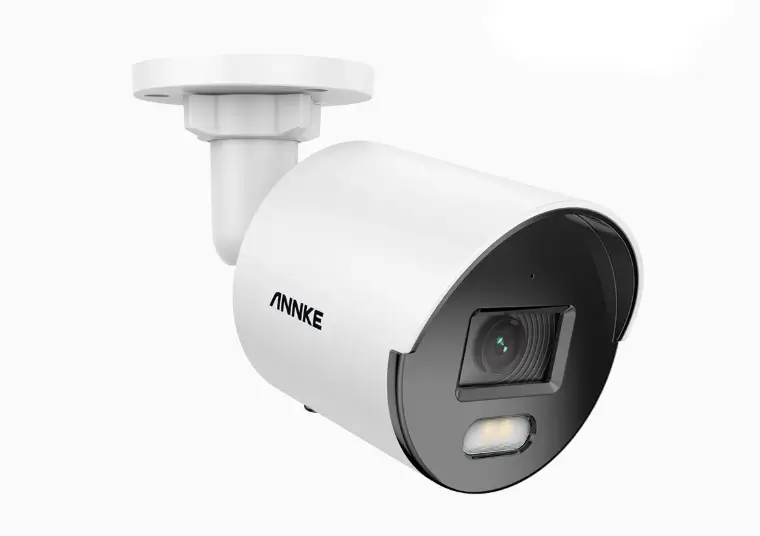
A newer category sits between traditional infrared and low-light color: cameras with built-in spotlights that deliver full-color images even in darkness. When motion is detected, an integrated light activates and the camera captures color footage with the clarity of daytime, while also signalling to anyone nearby that they have been noticed. For driveways, entrances, and storefronts, this combination of color detail and active deterrence can be especially effective.
The trade-off is that the spotlight is, by design, conspicuous, which is welcome at a front entrance but less suitable where discreet monitoring is the goal. Some models offer a hybrid mode, recording quietly in infrared until motion triggers the light and a switch to color, which neatly balances unobtrusive coverage with vivid footage at the decisive moment.
As with every other choice in this guide, the right option depends on the setting. A discreet rear yard may be best served by plain infrared, while a customer-facing entrance benefits from the deterrence and detail of a color-capable, spotlight-equipped camera. There is no single correct answer, only the one that fits the spot you are trying to protect.
Seeing Clearly After Dark
Strong night-time performance is not a single feature you can tick off a list; it is the result of choosing the right technology for your conditions and installing it thoughtfully. Decide whether infrared or low-light color fits each location, confirm the range covers the distances that matter, and support the cameras with sensible lighting and placement. Get those choices right and your system will keep watch just as effectively at two in the morning as it does at noon, which is precisely when you are most likely to need it.