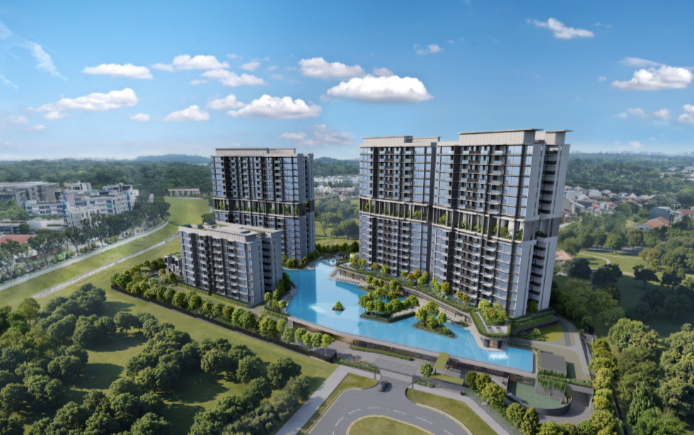
Purchasing a private property in Singapore is a major financial milestone, yet many buyers get caught up in showroom aesthetics and overlook critical operational details. When viewing premium properties like the highly anticipated Lucerne Grand, it is easy to focus solely on high-end finishes and panoramic views. However, the long-term viability of your investment depends on factors that do not appear on a glossy brochure. From hidden maintenance structures to future urban planning changes, understanding the finer details of condominium ownership protects your capital. By examining overlooked structural, financial, and regulatory realities, buyers can make informed decisions that ensure their new home remains a sanctuary rather than a source of unexpected frustration.
The Complexity of Share Value and Maintenance Fees
Every condominium owner must pay monthly maintenance fees, but many buyers do not understand how these charges are calculated. Maintenance contributions depend on the share value assigned to your unit by the Commissioner of Buildings. Larger units, or those with private enclosed spaces, carry higher share values and consequently higher monthly bills.
How Share Value Impacts Your Wallet
For instance, at a boutique development like Dunearn House, the smaller total number of units means the shared cost of maintaining facilities like the swimming pool or gym is split among fewer owners. This can result in significantly higher monthly maintenance fees compared to a mega-development. Conversely, in a mid-sized estate like Lentor Gardens, the maintenance load is distributed more widely, but the extensive landscaping and multiple clubhouse pavilions might still drive up the overall estate upkeep costs.
Furthermore, share value dictates your voting power during Annual General Meetings. If you purchase a unit at Dunearn House with a lower share value, your say in estate management decisions will be smaller than those owning penthouses. Buyers looking at Lentor Gardens must weigh whether the extensive communal facilities justify the ongoing monthly financial commitment, as these fees tend to rise over time due to inflation and aging equipment.
Future Urban Planning and the Surrounding Plot Ratio
A pristine view today does not guarantee a pristine view tomorrow. One of the most common mistakes buyers make is failing to consult the Urban Redevelopment Authority (URA) Master Plan. This plan details the zoning and plot ratios of land parcels surrounding your potential home, indicating how high future neighboring buildings can rise.
Analyzing the Master Plan
Consider the area surrounding the Thomson Reserve. A buyer might purchase a unit expecting quiet green views, only to find that an adjacent empty plot is zoned for high-density residential use. When the Thomson Reserve new launch phase begins nearby, the resulting construction noise, dust, and eventual blockage of natural light can severely impact liveability and resale value.
Understanding the difference between residential and commercial zoning in the vicinity is crucial. While a new commercial hub near the Thomson Reserve new launch might boost convenience and rental yield, it also introduces heavier traffic and footfall. Buyers must study the URA Master Plan to ensure that the peace they purchase today at Thomson Reserve will not be compromised by future infrastructure developments or high-rise projects that obscure their wind flow and natural sunlight.
Solar Orientation and Cooling Efficiency
Singapore’s tropical climate makes unit orientation a critical factor for daily comfort and energy efficiency. Many buyers visit show flats during the evening or on rainy days, missing how the afternoon sun penetrates the actual unit. Facing the afternoon sun directly can turn a beautiful living room into a greenhouse, leading to astronomical air conditioning bills.
The Science of Unit Facing
Developments like Pinery Residences are designed with specific architectural features to mitigate solar heat gain, but individual unit placement still matters. A unit facing direct West or Northwest will absorb significant heat throughout the day, releasing it into the home during the evening. If you are comparing a unit here with one at Lucerne Grand, look closely at the window glazing and external sunshading devices.
Cross-ventilation is another overlooked aspect. Properties at Pinery Residences that enjoy a North-South orientation generally benefit from prevailing wind patterns, reducing the need for constant mechanical cooling. When evaluating a unit at Lucerne Grand, check if the layout allows wind to flow freely from the balcony through to the kitchen yard. Failing to account for these environmental factors can lead to permanent discomfort and high utility costs.
Parking Ratios and Visitor Access Policies
In car-lite Singapore, the Land Transport Authority does not mandate a 1:1 parking space ratio for all new private residential developments, especially those near MRT stations. Buyers who own multiple vehicles or rely heavily on private transport often overlook this restriction until they move in and face parking shortages.
Managing Vehicle Infrastructure
At a modern development like Vela Bay, the parking allocation might be optimized for public transit users, meaning there are fewer parking lots than total residential units. This can lead to internal bidding systems or additional monthly fees for a second car sticker. Contrast this with established boutique projects like Dunearn House, where parking space might be physically limited due to the small land plot size, creating daily logistical challenges for residents and their guests.
Furthermore, strict visitor parking rules can complicate social gatherings. If you host frequent events, a development like Lentor Gardens might offer more visitor lots, but strict overnight parking policies still apply. Before committing to a unit at Vela Bay, ask the developer or managing agent about the specific parking allocation ratio and the terms of the car park policy. Knowing these details prevents future disputes and ensures your daily commute remains stress-free.
Construction Quality and Developer Track Record
The reputation of the main contractor and developer is a strong indicator of the long-term structural integrity of your home. Buyers often focus on cosmetic finishes during the defect liability period, ignoring systemic issues like water seepage or poor acoustic insulation between units.
Evaluating Developer History
When looking at the Thomson Reserve new launch, researching the developer’s past projects is essential. A developer with a history of delivering projects on time with minimal defects, such as the initial phases of Thomson Reserve, provides peace of mind. On the other hand, cutting corners on waterproofing or wall thickness can lead to persistent mold and noise complaints.
This scrutiny should also apply when comparing premium estates like Vela Bay and Pinery Residences. Look at the Quality Mark ratings awarded by the Building and Construction Authority (BCA) for their previous builds. A high rating indicates excellent workmanship standards. Investing in a property at Vela Bay or Pinery Residences backed by a reputable builder ensures that the internal piping, electrical wiring, and structural concrete will stand the test of time, saving you from expensive remedial work down the road.
Final Thoughts
Acquiring a private home in Singapore requires looking far beyond the initial aesthetic appeal of a show flat. Whether you are eyeing a premium unit at Lucerne Grand or another high-end development, success lies in the details. Analyzing share values, studying the URA Master Plan, evaluating solar orientation, verifying parking ratios, and researching developer track records are essential steps in your purchasing journey. These overlooked factors directly influence your daily comfort, monthly expenses, and long-term asset appreciation. By conducting thorough due diligence and asking the right questions before signing the option to purchase, you secure a property that serves as both a comfortable home and a sound financial investment for years to come.