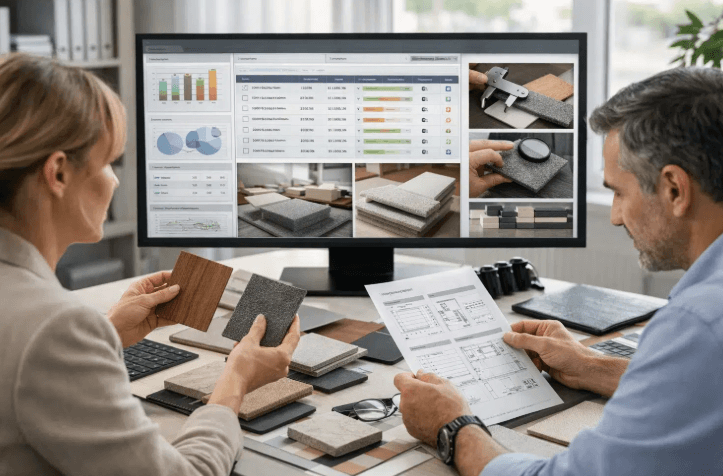
Furniture, Fixtures, and Equipment (FF&E) play a major role in the success of any hospitality, commercial, residential, or mixed-use development project. From hotel guest room furniture and office workstations to lighting fixtures and decorative items, these elements help transform an empty space into a fully functional environment.
However, managing FF&E Procurement is not always simple. Many projects face delays, budget overruns, and operational challenges because of avoidable procurement mistakes. Even small errors during planning or purchasing can have a significant impact on project timelines and costs.
At Bond Street Procurement, we work with clients to help them avoid these common mistakes and ensure that their projects are completed smoothly and efficiently. In this blog, we’ll explore some of the most common FF&E procurement mistakes and how to avoid them.
What Is FF&E Procurement?
Before discussing common mistakes, it is important to understand what FF&E procurement involves.
FF&E stands for Furniture, Fixtures, and Equipment. Procurement refers to the process of sourcing, purchasing, tracking, delivering, and installing these items.
The process typically includes:
- Budget planning
- Product selection
- Vendor sourcing
- Purchasing
- Logistics coordination
- Quality control
- Delivery management
- Installation oversight
Because there are so many moving parts, careful planning is essential.
Mistake #1: Starting Procurement Too Late
One of the most common procurement mistakes is waiting too long to begin the process.
Many furniture and equipment items have long manufacturing and shipping lead times. Custom-made products can take several months to produce and deliver.
When procurement starts late, projects often face:
- Delayed openings
- Rush shipping costs
- Limited product options
- Installation delays
The best approach is to begin procurement planning as early as possible during the project development phase.
Mistake #2: Failing to Create a Detailed Budget
A poorly planned budget can create significant challenges throughout the project.
Some project teams underestimate costs or fail to account for:
- Shipping fees
- Storage expenses
- Taxes and duties
- Installation costs
- Price fluctuations
Without a comprehensive budget, unexpected expenses can quickly add up.
A detailed budget helps keep spending under control and reduces the risk of financial surprises later in the project.
Mistake #3: Choosing Products Based Only on Price
Everyone wants to save money, but focusing solely on the lowest price can be a costly mistake.
Lower-priced products may:
- Wear out quickly
- Require frequent replacement
- Fail to meet quality standards
- Create maintenance issues
Instead of choosing the cheapest option, it is important to evaluate:
- Product durability
- Warranty coverage
- Supplier reputation
- Long-term value
A slightly higher investment upfront can often save money over time.
Mistake #4: Not Considering Lead Times
Lead times are one of the biggest factors affecting project schedules.
Many procurement delays occur because teams assume products will arrive faster than they actually can.
Factors that influence lead times include:
- Manufacturing schedules
- Material availability
- International shipping
- Customs clearance
- Seasonal demand
When lead times are not properly considered, entire project schedules can be disrupted.
This is one reason why professional FF&E Procurement planning is so valuable.
Mistake #5: Poor Vendor Selection
Choosing the wrong supplier can create numerous problems.
Common issues include:
- Product quality concerns
- Delivery delays
- Communication problems
- Inconsistent service
Before selecting vendors, it is important to review:
- Industry experience
- Customer references
- Product quality
- Delivery history
- Financial stability
Working with trusted suppliers helps reduce risk throughout the procurement process.
Mistake #6: Lack of Product Standardization
Large projects often require hundreds or thousands of individual items.
Without product standardization, projects may experience:
- Inconsistent designs
- Inventory challenges
- Higher purchasing costs
- Complicated maintenance requirements
Standardizing products where appropriate helps improve efficiency and maintain design consistency.
Mistake #7: Ignoring Logistics Planning
Many people focus on purchasing products but overlook logistics.
Logistics involves:
- Shipping coordination
- Warehousing
- Delivery scheduling
- Site access planning
- Installation sequencing
At Bond Street Procurement, we often see logistics become one of the most critical aspects of project success.
Even if products arrive on time, poor delivery coordination can still cause delays and additional costs.
Mistake #8: Overlooking Quality Control
Receiving damaged or incorrect products can create major setbacks.
Without proper quality control, teams may discover problems only after products arrive at the project site.
Quality inspections help verify:
- Product condition
- Quantity accuracy
- Design specifications
- Manufacturing quality
Early identification of issues helps prevent costly delays later.
Mistake #9: Poor Communication Among Project Teams
FF&E procurement often involves multiple stakeholders, including:
- Owners
- Designers
- Architects
- Contractors
- Procurement specialists
- Suppliers
When communication breaks down, misunderstandings can occur regarding:
- Product specifications
- Delivery schedules
- Budget requirements
- Installation timelines
Regular communication and project updates help keep everyone aligned.
Mistake #10: Not Planning for Installation
Many projects focus heavily on purchasing products but fail to plan properly for installation.
Questions that should be addressed include:
- When will products arrive?
- Where will they be stored?
- Who will install them?
- How long will installation take?
Installation planning should be integrated into the overall project schedule from the beginning.
Mistake #11: Failing to Track Orders Properly
Tracking multiple orders from different vendors can quickly become overwhelming.
Without proper tracking systems, projects may face:
- Missing shipments
- Delivery confusion
- Inventory shortages
- Scheduling conflicts
Professional procurement teams use detailed tracking processes to monitor every order from purchase through installation.
Mistake #12: Not Working with Procurement Experts
Some organizations attempt to manage procurement internally without dedicated expertise.
While this may seem cost-effective initially, it can often result in:
- Higher overall costs
- Scheduling issues
- Vendor management challenges
- Increased project risk
Professional procurement specialists bring valuable industry knowledge, supplier relationships, and project management skills to the process.
A well-managed FF&E Procurement strategy helps minimize risk while improving efficiency and project outcomes.
How to Avoid FF&E Procurement Mistakes
To reduce procurement risks, consider these best practices:
- Start planning early
- Create a realistic budget
- Evaluate quality as well as price
- Monitor lead times closely
- Choose reliable suppliers
- Maintain strong communication
- Implement quality control procedures
- Develop a logistics plan
- Track orders carefully
- Partner with experienced procurement professionals
These steps can significantly improve project success and help avoid costly setbacks.
See also: Business Development Strategies That Work
Why Choose Bond Street Procurement?
At Bond Street Procurement, we help clients successfully manage every stage of the FF&E Procurement process. Our experienced team handles sourcing, budgeting, vendor coordination, logistics, quality control, and installation support to ensure projects stay on schedule and within budget. We work closely with hospitality, commercial, residential, and mixed-use developments to identify potential challenges before they become costly problems. Whether you are furnishing a hotel, office building, residential property, or large-scale development, Bond Street Procurement provides the expertise, industry connections, and project management support needed to deliver a smooth and successful procurement experience.