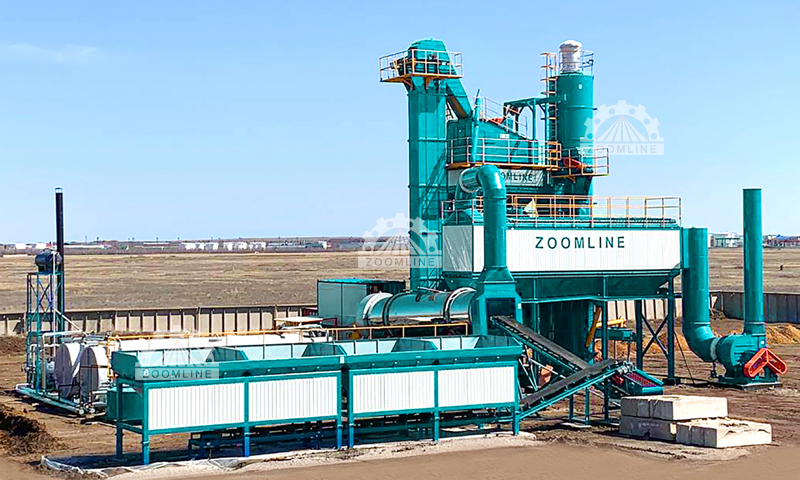
Stone, sand, mineral filler, and bitumen are measured, and then the asphalt plant mixes. A fault in feeding, drying or weighing can alter the mix long before anyone sees a problem on the road.
Some plants rely on the grid, while remote sites use generators to run conveyors, pumps and control systems. Buyers looking at generators for sale need to check continuous output rather than peak capacity. The plant draws power for long periods, and a voltage drop can stop several systems at once.
What enters the cold feed bins?
Operators load different aggregate sizes into separate bins. One may hold fine sand, another small stone, and another coarse material. Feeder belts draw measured quantities from each compartment according to the mix design.
Errors at this stage travel through the entire process. Wet aggregate slows drying and increases fuel use. Oversized stones can block chutes, while contamination changes the required gradation. Operators therefore watch belt speeds, bin levels and material condition.
See also: 5 Tips for Extending Battery Life
Drying removes more than water
A conveyor carries the combined aggregate into a rotating drum. Internal flights lift the material and drop it through hot gases. This movement exposes more surface area.
The burner must raise the aggregate to temperature without scorching it. Excessive heat can damage binder, while low temperature prevents proper coating. After rain, the drum needs more fuel and time to achieve the same result.
Exhaust gases carry fine dust from the drum. A collection system captures those particles before the gases leave the stack. Many plants use a baghouse, where fabric filters trap fine material. The plant may return suitable dust to the mix as filler.
Batch plants weigh each component separately
In a batch plant, a hot elevator lifts dried aggregate to a screening deck. The screens divide it by size and direct each fraction into a hot bin. The control system then weighs the amount required for one batch.
Bitumen enters through a metered system, while mineral filler joins separately. Mixer arms turn the ingredients until the binder coats the aggregate evenly. The plant then releases the batch into a skip, storage silo or waiting lorry.
Batch production allows frequent recipe changes. That flexibility suits projects that need asphalt grades. It also demands accurate scales, clean bins and control-room work.
How does a drum-mix plant differ?
A drum-mix plant dries and blends aggregate during one continuous process. Material moves through the drum while the plant adds binder and filler at controlled rates. Finished asphalt leaves without the separate weighing cycle that a batch plant uses.
Continuous production suits long road projects with steady demand for one mix. A batch plant usually handles frequent mix changes, so the contractor should decide the choice.
Maintenance often happens above ground
Screens, ducts, silos and baghouse sections sit high above the main frame. Technicians need safe access when they replace filters, inspect sensors or clear material build-up. A cherry picker gives them a stable platform without improvised scaffolding.
The platform must stay clear of hot surfaces, moving belts and discharge routes. Crews also need an exclusion zone below whenever technicians remove parts.
Storage keeps paving crews supplied
Many plants use insulated silos to hold finished asphalt. A drag conveyor or skip carries the material from the mixer to the top of the silo.
Storage separates production from truck arrival times. The plant can continue while one vehicle leaves and another approaches. Long storage, however, can lower temperature or allow segregation. Operators therefore track time, temperature and silo level closely.
A contractor considering a cherry picker for sale should check outreach, platform load, ground conditions and the frequency of elevated maintenance. A machine with excessive height but insufficient sideways reach may offer little practical value around the plant.
Dispatch links the plant to the road crew
The loading operator releases asphalt into transport vehicles and records the batch details. Lorries must arrive at a pace that matches plant output and paving speed. Too few leave the paver waiting; too many create queues and hold hot mix longer than planned.
Haul distance matters. The mixture must reach the site with enough heat for laying and compaction. Weather, traffic and access can change the delivery window, so dispatch staff adjust the schedule as conditions change.
Quality control continues throughout the shift
Plant staff thoroughly check every aspect. A small measuring error may seem harmless first, but it becomes significant across hundreds of tonnes.
Laboratory sampling confirms whether the mix meets the project specification. Control-room records help operators spot irregular feed rates or temperature changes before they disrupt production.
Conclusion
An asphalt mixing plant does far more than combine stone and bitumen. It measures cold aggregate, removes moisture, controls dust, grades hot material, adds binder, mixes, stores and dispatches the finished product.
Anyone reviewing an asphalt mixing plant for sale should examine plant type, output, burner fuel, storage capacity, controls and local service support. A supplier’s stated capacity says little about performance with wet aggregate, frequent recipe changes or limited truck supply.
Consistent asphalt comes from steady material flow, accurate measurement and controlled heat. When each stage keeps pace with the others, the plant sends a uniform, workable mix to the paving crew.