Among the various drip chamber design variations available, the volumetric chamber, sometimes called a burette chamber, provides a specialized solution for applications requiring particularly precise control over smaller, carefully measured fluid volumes, proving especially valuable in pediatric and other sensitive patient care contexts.
What Distinguishes the Volumetric Chamber Design
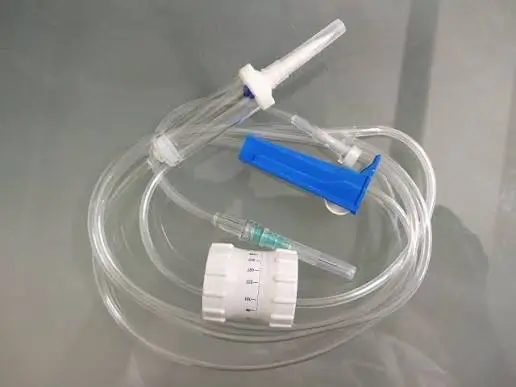
Unlike standard drip chambers that simply allow visual observation of continuous flow from a larger fluid bag, a volumetric chamber incorporates a graduated measurement chamber positioned between the fluid source and the standard drip chamber below, allowing clinical staff to measure and limit the exact fluid volume available for delivery at any given time, providing an important safety mechanism against inadvertent fluid overload.
The Clinical Value of Volume-Limited Delivery
By limiting the fluid volume immediately available for infusion to a specific measured amount, volumetric chambers provide meaningful protection against accidental fluid overload that could otherwise occur if a standard administration set’s roller clamp were to fail or be inadvertently left fully open, since the volumetric chamber physically limits available fluid regardless of downstream flow control status.
Particular Value in Pediatric Care
Pediatric patients, particularly infants and young children, have considerably less physiological tolerance for fluid volume errors compared to adults, making the additional safety margin volumetric chambers provide particularly valuable in pediatric clinical settings where precise fluid volume control carries heightened clinical significance.
Applications Beyond Pediatric Care
While particularly associated with pediatric applications, volumetric chambers also serve valuable roles in other clinical contexts requiring precise fluid volume control, including certain cardiac or renal patient populations where fluid balance management carries particular clinical importance, and various critical care scenarios where precise, carefully measured fluid delivery matters significantly.
See also: Business Development Strategies That Work
Refilling and Ongoing Management Considerations
Using a volumetric chamber requires clinical staff to periodically refill the measurement chamber from the source fluid bag as needed, adding a periodic clinical task compared to standard continuous-flow drip chambers, making appropriate staff training on proper refilling technique and timing an important element of safe volumetric chamber use.
Integration With Electronic Infusion Pump Systems
Many modern clinical settings use volumetric chambers in combination with electronic infusion pumps, providing multiple layers of safety redundancy for particularly sensitive fluid administration scenarios, reflecting a comprehensive approach to fluid safety that doesn’t rely on any single safety mechanism in isolation.
Selecting Volumetric Chambers for Appropriate Applications
Healthcare facilities should ensure appropriate availability of volumetric chamber administration sets specifically for patient populations and clinical scenarios where this additional safety margin provides meaningful clinical value, recognizing that this specialized component addresses specific safety needs beyond what standard drip chambers alone provide.
Conclusion
Volumetric chambers provide an important additional safety mechanism for precise fluid volume control, particularly valuable in pediatric care and other sensitive clinical contexts where fluid overload risk carries heightened clinical significance. Understanding this specialized drip chamber variation supports appropriate clinical equipment selection for vulnerable patient populations.
FAQs
Q1: How does a volumetric chamber differ from a standard drip chamber? It incorporates a graduated measurement chamber that limits the fluid volume immediately available for delivery, providing protection against accidental overload beyond what standard continuous-flow chambers offer.
Q2: Why are volumetric chambers particularly valuable in pediatric care? Pediatric patients have considerably less physiological tolerance for fluid volume errors, making the additional safety margin these chambers provide particularly clinically important.
Q3: What ongoing clinical task does volumetric chamber use require? Clinical staff need to periodically refill the measurement chamber from the source fluid bag as needed, adding a task compared to standard continuous-flow drip chambers.