Unexpected breakdowns of the equipment may lead to delays in production schedules, higher expenses on equipment maintenance, and a decrease in efficiency. However, many such problems start as minor faults that progressively worsen until the point where they are capable of causing the equipment to stop working. Thermal imaging inspections are a good way to reveal the presence of such abnormalities without stopping the regular work process. Below are five key factors that explain why thermal imaging inspections are important.
Early Detection Prevents Escalating Equipment Failures
In most cases, heat is usually the first thing that indicates any issues related to the machine and electricity. Loose connections, overload on the circuit, poor condition of the insulation, worn bearings, and misalignment usually cause overheating well before the damage is visible to the naked eye. Using thermal imaging helps find all the abnormalities at the inspection stage, thus enabling maintenance personnel to plan their work properly and do the repair whenever convenient.
Another advantage of early detection in terms of maintenance is that it provides for preventive maintenance since the maintenance schedule will be done on the basis of the actual condition of the machinery. Thus, it becomes easier to plan the work and avoid unplanned call-outs.
See also: 5 Tips for Extending Battery Life
Inspecting Thermal Performance Improves Operational Reliability
Performance evaluation of thermal systems provides useful information regarding the functioning of machinery in their regular operational state. Comparative study of the temperatures within different systems allows for detection of abnormalities which could signify any hidden faults or inefficiencies in the operation or stress on the system.
Organizations that choose reliable infrared inspection services benefit from experienced professionals who understand how environmental conditions, equipment loads, and material properties influence thermal readings. Detailed thermal reports help maintenance teams distinguish normal operating temperatures from developing concerns, allowing corrective action before faults interrupt production. Regular thermal performance evaluations also establish historical temperature trends, making future inspections more accurate and meaningful.
Non-Invasive Inspections Keep Production Running
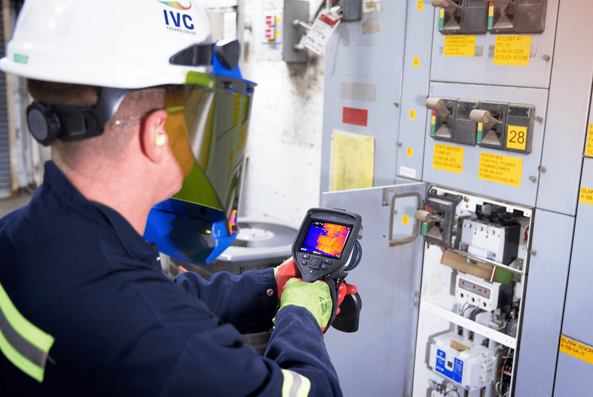
The primary benefit of thermal imaging inspections lies in the possibility of checking the condition of equipment without disassembling machinery or suspending operations. As the IR cameras take temperature readings remotely, it becomes possible to inspect operating equipment such as electric systems, moving machines, and process equipment without disrupting the work process.
It becomes possible to perform inspections faster, and there are no disruptions connected with conventional methods. It allows production managers to continue working at their full capacity while obtaining necessary data regarding the state of equipment.
Data-Driven Maintenance Improves Planning
Measurable information is gathered through thermal imaging and contributes to maintenance planning efforts. Temperature measurements, thermal images, and inspection reports serve as tangible evidence about the condition of the equipment, which helps to establish a plan for repair work and base the priorities on the risk level rather than on assumptions. The analysis of past inspection reports will show changes in temperature levels and point to potential wear and degradation of the equipment.
Based on the analysis of reliable inspection data, more efficient maintenance plans will be developed, and unnecessary replacement of parts will be avoided. It will become possible to spend money and effort on equipment requiring maintenance, and thus save money on maintenance procedures and reduce inventory waste since parts will be replaced according to the established schedule.
Improved Safety Reduces Operational Risk
Equipment malfunctions can cause dangerous situations for employees, buildings, and the organization’s continued operations. Problems like electrical breakdowns, overheated motors, overloaded control panels, and faulty mechanical parts can cause a higher risk of fires, machine malfunctions, or workplace accidents if not properly addressed. Thermal imaging is able to find many of these dangers in advance.
Regular thermal imaging inspections help to ensure safer working conditions by aiding in the maintenance programs that work on potential problems before they reach critical status. The identification of heat allows the maintenance department to fix potential problems before reaching critical failure points. Good safety practices not only save lives but also prevent expensive downtime and repairs caused by avoidable malfunctions.
The use of thermal imaging tests presents an approach to avoiding downtime by detecting faults, measuring performance, conducting non-destructive tests, making informed maintenance decisions, and enhancing workplace safety. Companies that use thermal imaging tests in their maintenance programs obtain information regarding the status of their equipment without any unexpected breakdowns. With ongoing surveillance and prompt maintenance, companies will be able to enhance reliability and manage maintenance costs effectively.