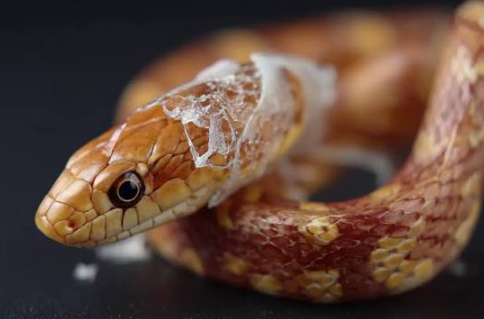
You noticed the skin did not come off in one clean piece, or the eye caps look cloudy long after the shed should have finished. Maybe your snake is rubbing against decor, soaking more than usual, or acting off in a way you cannot quite name. That kind of change gets your attention fast, especially when reptiles can hide illness until a problem is harder to ignore. While topics like wellness exams and vaccinations for pets in Madison, GA may come up in broader pet care conversations, a snake showing signs like these may need prompt veterinary attention.
Shedding trouble in snakes often starts with husbandry, but it does not always end there. Dry air, poor hydration, low temperatures, stress, parasites, old scars, infection, and nutrition issues can all play a part. An animal clinic does not just look at the stuck skin. The visit usually focuses on the whole picture, because snake shedding problems evaluation works best when the environment, diet, and body condition are checked together.
Animal clinic exams for reptile shedding issues start with the full history
When a clinic evaluates a snake with bad sheds, the first step is often a detailed history. You may be asked about species, age, enclosure size, heat sources, temperature ranges, humidity, substrate, water access, shedding frequency, appetite, bowel movements, and any recent changes in handling or setup. That can feel like a lot when you came in for stuck skin, but the answers matter because shedding depends on stable conditions.
A ball python with repeated retained eye caps may be dealing with low humidity. A corn snake with patchy sheds and weight loss may point the exam in a different direction. If the enclosure is too cool, the snake may not digest well, may drink less, and may struggle to complete a normal shed cycle. The University of Illinois explains how reptile environment and diet shape health, and their guidance on pet reptile environment and diet helps show why a clinic asks so many husbandry questions.
The physical exam comes next. The veterinarian checks hydration, body condition, skin texture, eyes, mouth, nostrils, vent, and the underside of the body where irritation can hide. They look for retained shed around the tail tip because that area can lose blood flow if old skin tightens and stays in place. They also check for mites, burns from heat sources, swelling, wounds, and signs of mouth rot or respiratory disease, since a snake that is sick often sheds poorly.
See also: 5 Tips for Extending Battery Life
Poor sheds in snakes can point to husbandry mistakes or medical disease
One bad shed does not always mean your snake is ill. A dry room during winter or a missed humid hide can be enough to cause a rough cycle. Repeated bad sheds are different. If the problem keeps coming back, clinics start sorting out whether this is mainly a care issue, a medical issue, or both.
That distinction matters because home fixes can backfire. If you keep soaking a snake without correcting temperature and humidity, the next shed may fail too. If the skin problem is tied to mites, infection, dehydration, or an underlying illness, waiting it out can mean more stress for the animal and a bigger bill later. This is where veterinary assessment for stuck shed in snakes has real value. The goal is not just to remove retained skin. The goal is to stop the pattern.
Some snakes also carry public health concerns, especially if there are children, older adults, or anyone with a weaker immune system in the home. Reptiles can spread Salmonella even when they look healthy. The CDC offers practical advice on reptiles and amphibians, including handwashing and safe handling, which often comes up during clinic visits.
What an animal clinic may recommend for snake skin shedding problems
Treatment depends on what the exam shows. If husbandry is the main issue, the clinic may recommend tighter humidity control, a humid hide, better temperature gradients, more secure cover, or changes to the water setup. If dehydration is present, the veterinarian may guide you on safe rehydration methods. If there are mites, infection, burns, or wounds, treatment may include medication and more follow-up.
Some cases need testing. A fecal exam may be suggested if weight loss or poor body condition is part of the picture. Skin cytology or cultures may be used if infection is suspected. Bloodwork is less common than in dogs and cats, but it can help when a snake seems systemically ill. A good animal clinic will match the workup to the signs instead of ordering everything at once.
| Situation | Home Care May Help | Clinic Evaluation Is Wiser |
|---|---|---|
| One mild bad shed with normal appetite and behavior | Adjust humidity, provide humid hide, review temperatures | If the next shed is also poor |
| Retained shed on tail tip or eye caps | Avoid pulling skin off by force | Yes, because circulation and eye health can be affected |
| Patchy sheds plus wheezing, mouth redness, or lethargy | No | Yes, medical disease may be present |
| Visible mites, skin sores, or burns | Basic isolation and hygiene only | Yes, targeted treatment is needed |
| Repeated shedding trouble over several cycles | Review husbandry records | Yes, patterns usually need a full reptile exam |
Steps you can take before and after a snake shedding evaluation
Document the enclosure clearly. Write down warm side and cool side temperatures, humidity range, substrate type, feeding schedule, last shed date, and any changes in behavior. Photos of the enclosure and the retained shed can help a clinic spot problems faster.
Do not peel stuck skin off. Pulling retained shed can injure healthy tissue underneath, especially around the eyes and tail. Keep fresh water available, maintain proper humidity, and use a humid hide while you arrange care.
Track patterns instead of waiting for a crisis. If your snake has two poor sheds in a row, loses weight, stops eating, or develops swelling, wheezing, sores, or retained eye caps, set up a reptile appointment. Repeated shedding trouble is easier to correct when it is caught early.
Early evaluation helps protect your snake’s long term health
A bad shed can look minor at first, but repeated shedding trouble usually means something in the snake’s care or health needs attention. Clinics evaluate the enclosure, the body, and the pattern over time, which is why professional guidance often solves what home guesswork cannot. If your snake is shedding poorly, acting different, or showing retained skin around sensitive areas, schedule an exam with an animal clinic and get a clear plan for what to fix next.