In modern manufacturing, consistency and quality are essential for maintaining competitiveness. Even small errors can lead to defective products, wasted materials, and lost revenue. This is where machine automation has become a transformative tool. By integrating automated systems into manufacturing processes, companies can significantly improve consistency, reduce human error, and enhance overall operational efficiency. In this article, we explore how machine automation contributes to these improvements and why it has become a vital component of contemporary manufacturing operations.
Ensuring Consistent Production Quality
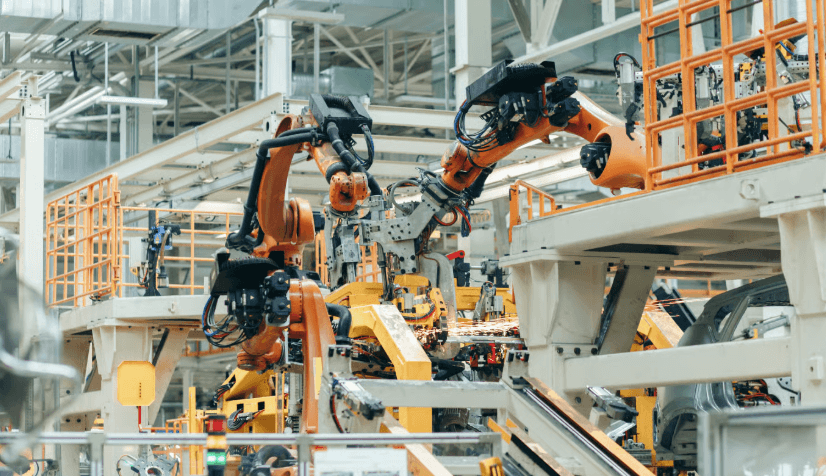
One of the primary benefits of machine automation is its ability to maintain consistent production quality. Automated machines follow precise instructions and operate according to exact specifications, eliminating the variability inherent in manual labor. For example, in assembly lines, machines can apply adhesives, tighten bolts, or package products with the same precision every cycle. This repeatability ensures that each product meets quality standards, reducing the likelihood of defects and customer complaints.
Consistency is particularly critical in industries where small deviations can compromise safety or performance, such as electronics, automotive, and medical device manufacturing. By using machine automation, manufacturers can adhere to strict tolerances and regulatory requirements, which are often difficult to achieve through manual processes alone. Over time, this leads to improved brand reputation, higher customer satisfaction, and reduced costs associated with rework or returns.
Minimizing Human Error
Human error is one of the leading causes of defects and inefficiencies in manufacturing. Even highly trained operators can make mistakes due to fatigue, distraction, or repetitive tasks. Machine automation mitigates these risks by taking over routine, repetitive, or complex tasks that are prone to error. Automated systems execute processes with precision and without the variability associated with human operators, ensuring consistent output.
For instance, in a bottling or packaging line, an automated system can measure and fill containers with exact volumes repeatedly. Any manual handling in such processes is prone to slight variations that can accumulate over time, leading to inconsistencies. By removing or reducing human involvement in these critical steps, machine automation ensures that operations are reliable, reducing waste and increasing efficiency.
Enhancing Monitoring and Control
Another advantage of machine automation is the ability to continuously monitor production processes in real time. Automated systems are equipped with sensors, cameras, and control software that track variables such as temperature, speed, pressure, and dimensions. Any deviation from pre-set parameters triggers immediate adjustments or alerts.
This monitoring capability ensures that errors are identified and corrected before they affect the final product. It also allows manufacturers to maintain tighter control over their processes and achieve uniformity across production batches. By integrating machine automation, companies can implement stricter quality control without relying solely on human inspection, which can be subjective and inconsistent.
See also: Scaling Your Business with an Expert Salesforce Marketing Cloud Consultant
Improving Training and Workflow Efficiency
Machine automation also enhances workflow efficiency and reduces the need for extensive human training in complex procedures. Automated systems come with programmed instructions and standardized operations, which means that workers do not need to memorize every step or rely on manual judgment for critical tasks. This reduces the likelihood of mistakes caused by inexperience or human oversight.
Furthermore, employees can focus on higher-value tasks such as supervision, process improvement, and decision-making rather than repetitive manual operations. By combining human oversight with machine precision, manufacturers achieve an optimal balance between productivity and accuracy.
Supporting Data-Driven Process Improvement
Another key benefit of machine automation is the ability to collect and analyze production data. Automated systems track performance metrics, error rates, and process deviations continuously. This data provides actionable insights for continuous improvement and helps identify patterns that may contribute to defects or inconsistencies.
By leveraging this information, manufacturers can optimize workflows, refine machine settings, and implement preventive measures. Over time, the combination of precise operation and data-driven adjustments ensures that production becomes increasingly consistent, and human errors are minimized.
Conclusion
In conclusion, machine automation plays a critical role in improving consistency and reducing human error in manufacturing. Through precise, repeatable operations, real-time monitoring, and data collection, automated systems ensure that every product meets quality standards while minimizing waste and inefficiencies. By taking over repetitive and high-risk tasks, machine automation reduces reliance on manual labor and mitigates the risks associated with human error.
Moreover, automated systems enable manufacturers to focus on process optimization, employee training, and higher-value work, creating a more efficient and resilient production environment. As industries continue to face rising quality standards, tighter tolerances, and increasing production demands, adopting machine automation is not only a strategic choice but also a necessary step toward achieving reliable, consistent, and error-free manufacturing. By implementing these technologies, manufacturers can maintain competitiveness, enhance customer satisfaction, and reduce operational costs while ensuring long-term sustainability.