You left a dental visit expecting relief, then noticed a click, pop, or shifting feeling in your jaw that was not there before. That can be unsettling fast. You start chewing more carefully, you test your bite over and over, and you wonder whether something changed during the appointment or whether this is a sign of a bigger problem. That reaction makes sense, and many people start to find a North Scottsdale dentist for your family when they want trusted guidance about what to do next.
When jaw clicking after dental work starts, dentists do not jump straight to one answer. They look at timing, symptoms, bite changes, muscle tension, joint movement, and whether your mouth was held open for a long time. Sometimes the noise is temporary irritation in the jaw joint. Sometimes it points to strain in the muscles around it. Less often, it signals a bite issue or a temporomandibular joint problem that needs closer follow up. The key is sorting out what started, what is improving, and what is getting worse.
Clicking or popping after treatment often starts with strain, not damage
A popping jaw does not always mean your joint was injured. Many people develop clicking because the jaw muscles and joint were stressed during treatment. A long filling appointment, a crown procedure, multiple injections, clenching from anxiety, or keeping your mouth wide open can irritate the temporomandibular joint. The joint sits close to the ear and works with a small disc and several muscles, so even mild irritation can feel bigger than it is.
That said, the timing matters. If the sound began right after treatment, your dentist will want to know whether it happens only when opening wide, whether your bite feels different, and whether pain came with it. A click without pain is assessed differently from a click with locking, swelling, headache, or trouble chewing. Information from the National Institute of Dental and Craniofacial Research on TMD supports that jaw symptoms often involve both joints and muscles, which is why the exam usually covers more than the teeth alone.
See also: 5 Tips for Extending Battery Life
Dentists assess post treatment jaw popping by looking for patterns
The first part of a dentist evaluation for jaw popping is often a careful history. Your dentist may ask when the sound started, whether it is on one side, whether it is painful, and whether you wake up sore or clench at night. They may also ask whether the treatment changed your bite or whether you had any clicking before but only noticed it once the area became tender.
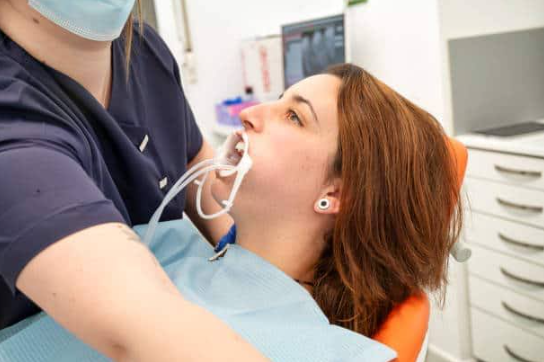
Then comes the physical exam. A general dentist usually checks how wide you can open, whether your jaw moves straight or shifts to one side, and whether pressing on the chewing muscles recreates the pain. They may place articulating paper between your teeth to see whether a new filling or crown is hitting too high. If your bite lands unevenly, your jaw may start compensating, and that can trigger soreness or noise.
This is where many people feel frustrated. The sound may be real, but it may not happen on command in the chair. Symptoms often appear at dinner, not during a ten minute exam. That does not make the problem less real. It just means your dentist may need details from home, such as what foods trigger it, whether it is worse in the morning, and whether heat, rest, or softer foods help.
For a broader overview of these disorders, MedlinePlus explains temporomandibular disorders in plain language, including common signs like clicking, pain, and limited motion.
What a dentist is trying to rule out after dental treatment
Most exams focus on a short list of possibilities. Muscle strain is common after a long appointment. Bite interference can happen if a restoration is slightly high. Joint irritation may follow prolonged opening. Existing TMJ issues may flare up even if the treatment itself was done correctly. In some cases, ear pain, sinus pressure, or tooth pain can mimic a jaw joint problem, so the source is not always obvious at first.
If your jaw locks, your opening becomes limited, or the pain keeps building instead of settling down, the concern level changes. A dentist may adjust a bite, recommend a soft diet for a few days, suggest moist heat, or refer you for further TMJ evaluation. If there is concern for inflammation or injury, they may recommend medical follow up as well. For background on jaw dislocation and severe joint symptoms, this MedlinePlus page on jaw dislocation outlines signs that need prompt care.
Home monitoring and professional assessment serve different purposes
| Approach | What It Can Help With | Limits |
| Soft foods for a few days | Reduces strain on a sore joint or muscle | Does not fix a high bite or persistent joint issue |
| Warm compresses | Can ease muscle tightness and soreness | Will not show whether your jaw motion is altered |
| Avoiding wide opening | May reduce popping triggered by overextension | May only mask symptoms if the bite changed |
| Tracking when the sound happens | Gives your dentist useful patterns to assess | Cannot identify the cause on its own |
| General dentist exam | Checks bite, muscles, joint motion, and recent dental work | May need follow up if symptoms are intermittent |
Three steps to take when clicking starts after a dental visit
1. Pay attention to timing and triggers. Notice whether the click happens when chewing, yawning, or first thing in the morning. Write down whether pain comes with it, whether your bite feels off, and whether one side is worse. Those details often point your dentist toward muscle strain, bite interference, or a joint issue.
2. Rest the jaw without testing it all day. Choose softer foods, avoid gum, and do not keep opening wide to see whether the sound is still there. Repeatedly testing it can keep the area irritated. If the symptoms started after a long visit, simple rest for a short period may calm things down.
3. Schedule a dental follow up if it does not settle quickly or if pain is growing. A general dentist can check whether a recent filling, crown, or bite change is contributing. Get seen sooner if you cannot open normally, your jaw locks, swelling appears, or chewing becomes difficult.
Prompt assessment brings clarity and usually a simpler path forward
You do not need to guess whether a new click is harmless or serious. When dentists assess clicking or popping that begins after dental treatment, they are looking for a pattern they can act on, not dismissing your concern. Many cases improve with bite adjustment, short term jaw rest, or simple monitoring, and the ones that need more attention tend to show clear warning signs.
If the sound is new, persistent, or tied to pain, set up a follow up with a dentist. Getting it checked early is often the easiest way to protect your comfort and stop the cycle of second guessing every bite.