You might be feeling that shift already. One day your pet is running to the door, jumping on the couch, or climbing the stairs without a thought. Then something changes. Maybe it is surgery, an injury, arthritis, or simple wear that comes with age, and now every movement seems slower, stiffer, or more careful. That change can be hard to watch, especially when you know your pet still wants to do the things they love. A Yorba Linda veterinarian can help you understand the next steps to support their comfort and mobility.
In moments like this, it helps to know that healing is not always limited to rest and medication. The role of veterinary clinics in rehabilitation and physical therapy is to help pets recover function, manage pain, and rebuild strength with a plan that fits their condition and pace. In simple terms, veterinary rehab can support recovery after injury or surgery, improve comfort in chronic conditions, and give you a clearer path forward when you are not sure what comes next.
Why does veterinary rehabilitation matter when your pet already has a diagnosis?
A diagnosis gives a name to the problem, but it does not always restore movement on its own. A dog with a torn ligament may still need help learning to bear weight safely after surgery. A cat with arthritis may have pain control in place, yet still struggle with balance, muscle loss, or confidence. Because of this gap, many families start asking a fair question. If the main treatment has already happened, what else can be done?
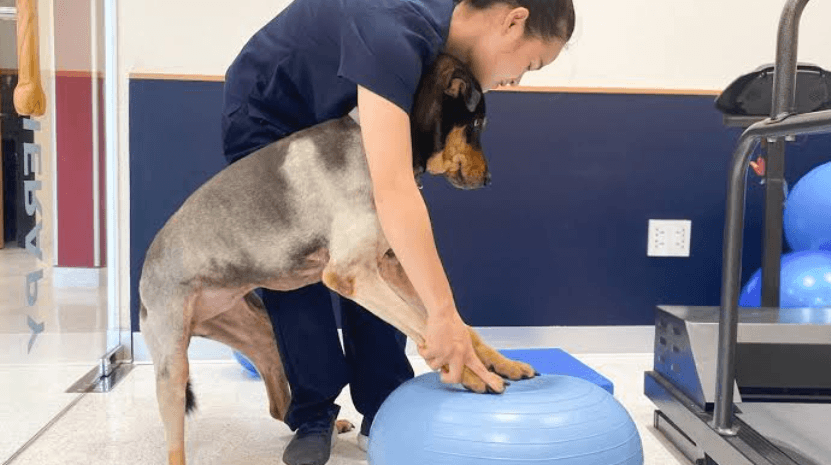
This is where animal physical therapy becomes meaningful. Veterinary clinics that offer rehab services can use guided exercise, stretching, underwater treadmill work, therapeutic laser, and other methods to improve mobility and reduce discomfort. The goal is not simply activity for activity’s sake. It is targeted movement that supports healing while protecting vulnerable joints, muscles, and nerves.
That support can matter in more situations than people expect. Rehab is often used after orthopedic surgery, but it can also help pets with neurologic issues, sports injuries, obesity, arthritis, and age related weakness. Some clinics even use it to help working or athletic dogs return to performance more safely. If you want to see how advanced programs approach this, Ohio State’s canine sports medicine and physical rehabilitation service offers a strong example, and Cornell’s sports medicine and rehabilitation program shows how these services can be tailored to both injury recovery and long term mobility support.
What makes recovery harder without a veterinary clinic guiding physical therapy?
It is easy to assume that rest alone will solve the problem, but too much rest can create new issues. Muscles weaken. Joints stiffen. Pets compensate in odd ways, putting extra strain on other limbs or the spine. Over time, what started as one injury can affect the whole body.
There is also the emotional side. Pets can become frustrated when they cannot move the way they used to, and you may feel stuck between wanting to protect them and wanting to help them regain normal life. That tension can lead to guesswork. Should you encourage walks or limit them? Is limping after exercise a normal part of healing or a sign of setback? Should you try home exercises you found online?
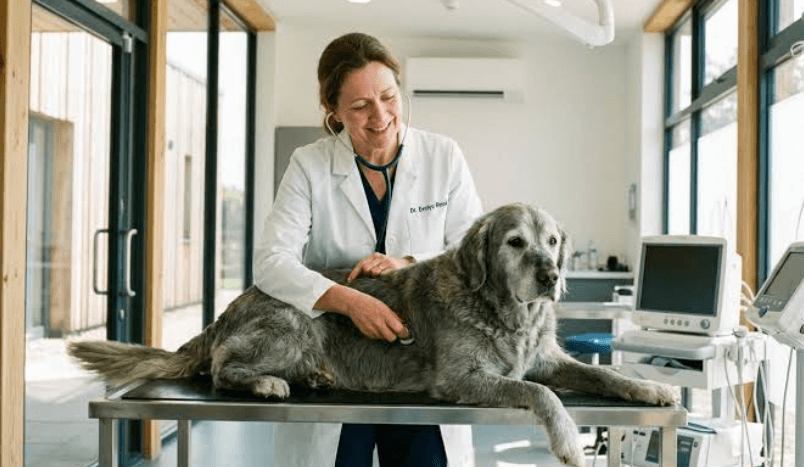
A veterinary clinic helps remove some of that uncertainty. With a proper exam, the team can assess pain, range of motion, muscle condition, gait, and progress over time. Then they can build a plan that changes as your pet improves. That kind of structure matters because rehab is rarely one size fits all. A senior dog with arthritis needs something very different from a young dog recovering from surgery, even if both appear stiff.
How does professional pet rehabilitation compare with trying to manage recovery at home?
Home care still matters, and in many cases it is part of the plan. But home care works best when it is guided. The table below shows where a pet rehabilitation clinic adds value.
| Approach | What It Often Includes | Main Benefit | Main Risk |
|---|---|---|---|
| Unstructured home rest | Limited activity, basic observation, short leash walks | Protects an acute injury in the early stage | Can lead to stiffness, weakness, and slower recovery if used too long |
| Home exercises without veterinary guidance | Online stretches, extra walking, improvised strengthening | Feels accessible and low cost at first | Wrong technique or timing can worsen pain or delay healing |
| Veterinary clinic rehabilitation plan | Assessment, monitored exercises, pain management support, progress checks | Targeted recovery based on your pet’s condition and limits | Requires time, follow through, and cost planning |
| Veterinary clinic plus guided home care | In clinic therapy with clear at home exercises and check ins | Often offers the best balance of safety and steady progress | Needs consistency from the family |
So, where does that leave you? Usually in a more balanced place than you might think. You do not have to choose between doing everything at home and handing everything over to a clinic. In many cases, the strongest results come from a partnership. The clinic handles assessment, treatment planning, and safe progression. You carry that work into daily life with short, practical routines.
What can you do right now if your pet seems to need veterinary physical therapy?
1. Watch movement, not just pain.
Notice how your pet rises, sits, turns, climbs, and walks after rest. Small changes matter. A pet may not cry out, yet still show clear signs of reduced function. Write down what you see so your veterinary team has a fuller picture.
2. Ask whether rehab should be part of the treatment plan.
If your pet has had surgery, a new injury, arthritis, or weakness, ask directly whether rehab services could help. This simple question can open options you may not have realized were available through a veterinary clinic.
3. Follow a plan that can be adjusted.
The best recovery plans are not static. They change as strength returns or symptoms shift. Start with what your pet can do safely now, then build from there. Short, consistent work is often more helpful than pushing too much too soon.
See also: Business Development Strategies That Work
When you want your pet to feel like themselves again, what is the next step?
Recovery can feel slow when you are living it day by day, and it is normal to worry that progress is not happening fast enough. Still, many pets improve when they get the right support at the right time. Veterinary rehab is not about forcing movement. It is about helping your pet move with less pain, more confidence, and a better chance at lasting function.
If your pet is struggling with mobility, healing after surgery, or showing signs of weakness, ask your veterinary clinic whether rehabilitation and physical therapy could help. A thoughtful plan now can make daily life easier for both of you.