You might be feeling like the ground shifted under you the moment someone said the word cancer. Before that visit, your pet may have just seemed tired, off food, or not quite themselves. After that visit, every choice can feel heavier, and even simple questions can suddenly seem hard to answer. That is why understanding What Pet Owners Should Know About Hospital Based Oncology Consultations matters so much, especially when working with a Bellingham pet hospital. In simple terms, a hospital oncology visit is meant to give you clarity, a plan, and support, so you can make informed choices for your pet without guessing your way through a stressful time.
A referral to a specialty hospital can sound intimidating. You may picture long tests, hard conversations, and costs that are difficult to predict. Those concerns are real, and they deserve space. At the same time, a veterinary cancer consultation is often less about pressure and more about information. The goal is usually to confirm what is happening, explain treatment options, and help you weigh quality of life, comfort, and expected outcomes in a way that fits your pet and your family.
What Happens During a Hospital Based Oncology Consultation, and Why Can It Feel So Overwhelming?
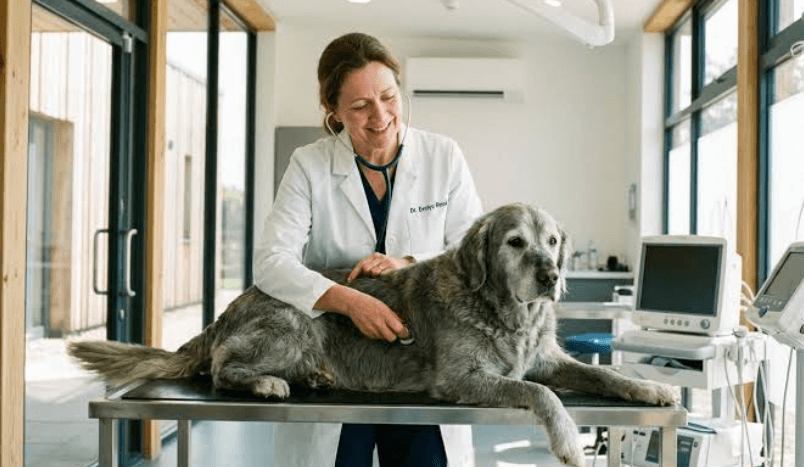
When you arrive for a hospital based oncology consultation, the specialist usually starts by reviewing your pet’s records, pathology reports, imaging, bloodwork, and medical history. Then comes a physical exam and a discussion about what has changed at home. Has your dog been slowing down on walks? Has your cat stopped jumping onto the bed? Those details matter because cancer care is not only about test results. It is also about how your pet is living day to day.
Because of this tension, you might wonder whether the visit will lead straight to treatment. Often, it does not. In many cases, the first consultation is about building the map. The oncologist may recommend more diagnostics, explain the type and stage of disease, and talk through options such as surgery, chemotherapy, radiation, palliative care, or monitoring. If you want a preview of how these visits are often structured, Oregon State University offers a helpful guide on what to expect during an oncology appointment.
The hard part is that there is rarely one perfect answer. One family may choose treatment aimed at remission. Another may focus on pain control and time at home. Neither choice is automatically wrong. What matters is understanding the likely benefits, side effects, follow up needs, and costs before you decide.
See also: Business Development Strategies That Work
Why Do Specialty Cancer Consultations Matter When My Regular Vet Already Knows My Pet?
Your regular veterinarian knows your pet’s history, habits, and medical background, and that relationship remains important. A specialist adds a narrower focus on cancer diagnosis and treatment. That can be especially helpful if the case is complex, the diagnosis is uncertain, or several treatment paths are possible.
Think of it this way. Your primary vet may identify a mass, run initial tests, and guide you toward the next step. A hospital oncology team can then help answer deeper questions. What type of tumor is it? Has it spread? Would treatment improve comfort, survival time, or both? What side effects are most common in pets, and how are they managed?
Many owners are surprised to learn that pets often tolerate treatment better than people expect. That does not mean treatment is easy or right for every case. It means the purpose of a specialty oncology consultation is not only to fight disease, but also to protect quality of life. North Carolina State University explains this well in its overview of veterinary oncology services.
How Do Costs, Testing, and Treatment Decisions Usually Compare?
One of the most stressful parts of a pet oncology consultation is not knowing what comes next financially or medically. While each hospital and diagnosis is different, it helps to see the common moving pieces side by side.
| Part of the Visit | What It May Include | Why It Matters |
|---|---|---|
| Initial consultation | Record review, physical exam, discussion of symptoms and goals | Creates a clear starting point and helps shape next steps |
| Diagnostic staging | Bloodwork, imaging, biopsy review, possible ultrasound or CT | Shows cancer type, extent, and whether treatment is likely to help |
| Treatment planning | Chemotherapy, surgery referral, radiation referral, palliative care, or monitoring | Lets you compare likely benefit, side effects, time commitment, and cost |
| Follow up care | Rechecks, repeat lab work, symptom management, response checks | Helps your team adjust care based on how your pet is doing |
What if you are worried about committing to something you cannot sustain? That is exactly the kind of concern to raise early. Ask for a range of expected costs, not just the first invoice. Ask what is essential now and what can wait. Ask what the plan looks like if you choose comfort care instead of active treatment. Good cancer care includes honest conversations, not pressure.
What Can You Do Right Now to Feel More Prepared?
1. Gather records before the visit. Bring lab results, imaging reports, biopsy findings, medication lists, and a short timeline of symptoms. If your pet has had surgery or seen more than one clinic, organize those notes in one place. This can save time and reduce repeat testing.
2. Write down your real priorities. Do you want the longest survival time possible, the least disruption to daily life, or the strongest focus on comfort? There is no single right answer. If you know what matters most to you, the consultation becomes clearer and less overwhelming.
3. Prepare a short question list. Ask what diagnosis is confirmed versus suspected. Ask about expected side effects, prognosis with and without treatment, emergency signs to watch for, and how quality of life will be measured. When emotions run high, a written list helps you stay grounded.
How Can You Move Forward Without Feeling Like You Have to Know Everything Today?
You do not need to have every answer before the consultation, and you do not need to make every decision in one breath. A hospital based oncology consultation is there to replace fear of the unknown with facts, options, and support. Even when the news is hard, clarity can bring relief, because it gives you a way to care for your pet with intention instead of panic.
If your pet has been referred for a veterinary hospital oncology visit, take it one step at a time. Bring your questions, bring your concerns, and give yourself permission to ask for plain language. This is a tender moment, and you are allowed to need guidance as you move through it.