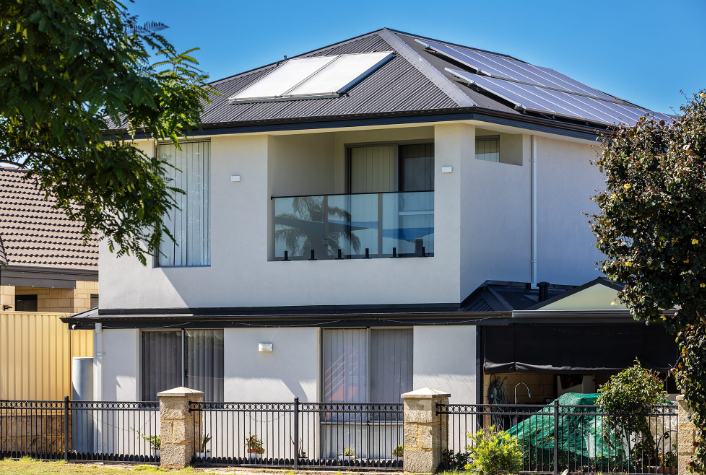
When homeowners seek to increase their living space without relocating, second storey additions offer a practical and efficient solution. This approach enables the transformation of existing properties by adding an additional floor, providing substantial extra space for various needs. Understanding the benefits, process, and considerations involved in undertaking such a project can help homeowners make informed decisions.
Benefits of Second Storey Additions
Second storey additions deliver several significant advantages. One of the primary benefits is the maximisation of available land. In areas where land is limited or expensive, expanding upwards makes effective use of existing property footprints.
Additionally, adding a second storey often enhances the property’s value. Prospective buyers tend to favour homes with larger living spaces, and an additional floor can substantially increase market appeal. It can also modernise the home’s appearance and layout, offering more flexibility in design and functionality.
See also: 5 Tips for Extending Battery Life
Common Uses for Second Storey Additions
Homeowners choose second storey additions for various purposes. These include creating extra bedrooms, expanding living areas, adding dedicated workspaces, or installing leisure facilities such as home cinemas or gyms. The possibilities are extensive and can be tailored to the household’s specific requirements.
Furthermore, the additional level can improve separation between living zones, such as having bedrooms upstairs for privacy and quiet, while commonly shared areas remain on the ground floor. This separation is particularly beneficial for families with children or multigenerational households.
Planning and Design Considerations
Embarking on a second storey addition requires meticulous planning. Engaging with professional architects or builders early in the process ensures that design proposals comply with building regulations and structural requirements. The addition must integrate seamlessly with the existing structure, both visually and functionally.
Structural integrity is a critical consideration. The foundation and ground floor walls may need reinforcement to support the additional weight. A structural engineer’s assessment is often necessary to determine the building’s capability to accommodate the new storey safely.
Permits and Regulations
Local planning authorities oversee building extensions through permit requirements and zoning regulations. Features such as height restrictions, setback requirements, and heritage considerations could influence the scope and design of a second storey addition. Adherence to these rules is essential to avoid legal complications and delays.
Materials and Construction Methods
The choice of materials significantly impacts the construction process and outcome. Lightweight framing systems, such as timber or steel, are common for second storey additions due to their ease of installation and reduced load on existing structures. These materials also allow for quicker construction times and flexibility in design.
Insulation, soundproofing, and thermal performance must also be addressed to ensure that the new storey is comfortable and energy-efficient. Incorporating high-quality building materials aligns with sustainability objectives and long-term cost savings.
Financial Aspects of Second Storey Additions
Cost is a major factor when considering second storey additions. Expenses vary depending on project complexity, size of the new area, chosen materials, and local labour costs. While it can be a significant investment, the value added to the property often justifies the expenditure.
Homeowners should obtain detailed quotations from reputable builders and consider contingencies for unforeseen issues that might arise during construction. Investing in quality workmanship reduces the likelihood of costly repairs or modifications after completion.
Minimising Disruption During Construction
One challenge with adding a second storey is managing the disruption to daily life. Construction activities can be noisy and intrusive, especially in densely populated areas. Planning the work schedule in coordination with the builder can help reduce inconvenience.
Some contractors offer phased construction plans or work on sections at a time to maintain household functionality. Clear communication between the homeowner and builder is imperative to manage expectations and ensure smooth project progression.
Energy Efficiency and Environmental Impact
Incorporating energy-efficient designs into second storey additions has become increasingly important. Features such as double-glazed windows, solar panels, and rainwater harvesting systems can be incorporated during construction. These additions help reduce energy consumption and minimise environmental impact.
Sustainable building practices not only contribute to environmental conservation but also lower utility bills and enhance home comfort. Prospective buyers often view eco-friendly homes favourably, adding another dimension to property value enhancement.
Choosing the Right Professionals
Successful second storey additions rely heavily on selecting experienced architects, builders, and engineers. Engaging professionals specialising in such projects ensures adherence to best practices, regulatory compliance, and quality standards.
Homeowners should evaluate portfolios, seek references, and confirm licences before engaging a contractor. Clear contracts outlining the scope of work, timelines, and payment terms protect both parties and contribute to timely completion.
Utilising Online Resources
Online resources provide valuable information and examples of second storey additions. Many building companies showcase completed projects and offer consultation services. For instance, visiting the page dedicated to second storey additions can help homeowners understand the scope, design options, and process.
Conclusion
Second storey additions represent a practical and efficient method to enhance residential properties, providing additional space while optimising land use. By considering design, structural, regulatory, financial, and environmental factors, homeowners can ensure successful outcomes that increase both the utility and value of their homes.
With proper planning, professional support, and attention to detail, second storey additions can transform existing houses into spacious, modern, and adaptable living environments suited to evolving family needs and lifestyle preferences.