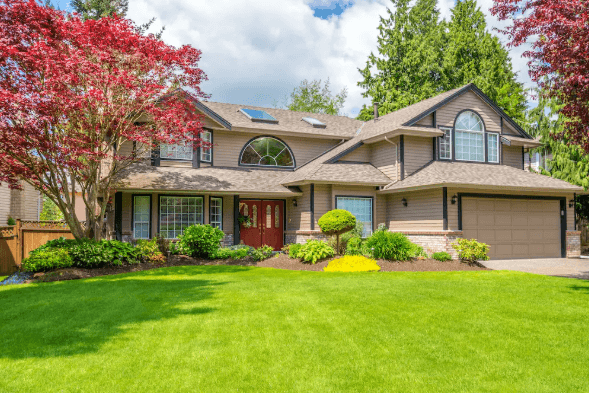
You want an outdoor space that fits Mississauga’s climate, property styles, and your lifestyle without endless trial and error. Focus on durable plant choices, smart hardscaping, and practical maintenance plans to create a low-stress yard that looks great year-round.
This post Mississauga Landscaping will show which design elements matter most for Mississauga properties, from soil and snow considerations to patios, planting zones, and seasonal care. Expect clear, actionable guidance so you can plan or refine a landscape that performs well and reduces ongoing upkeep.
Essential Elements of Outdoor Design
You’ll focus on plant choices that thrive in Mississauga Landscape climate, hardscape elements that shape use and flow, and sustainable practices that reduce maintenance and costs. Each choice should support function, season-long interest, and efficient water and energy use.
Creative Plant Selection
Choose plants rated for Zone 6a–6b and tolerant of urban conditions like salt and compacted soils. Prioritize native species such as serviceberry (Amelanchier), red osier dogwood (Cornus sericea), and switch grass (Panicum virgatum) for wildlife value and low input needs.
Layer plantings: trees for canopy, small trees or large shrubs for structure, and perennials/groundcovers for year-round texture. This creates winter interest and reduces weed pressure.
Match plants to microclimates: sun-exposed south-facing beds suit lavender and sedum; shady north-side areas do better with hosta and fern. Group plants by water needs to simplify irrigation and avoid overwatering.
Consider bloom sequence and foliage color so you get continuous interest from spring bulbs through fall asters.
Incorporating Hardscape Features
Plan hardscapes to define rooms and movement: a 3–4 foot-wide path accommodates foot traffic; a 10–12 foot patio supports dining and seating. Use permeable pavers or interlock where drainage matters; choose frost-resistant materials rated for Ontario freeze-thaw cycles.
Position retaining walls to manage slopes and create usable terraces. Keep wall heights under 4 feet where possible to reduce engineering requirements and cost.
Add functional elements: built-in seating, a fire pit located at least 10 feet from structures, and a pergola oriented to provide afternoon shade. Ensure drainage by grading hardscape away from the house at a 2% slope and including catch basins or French drains as needed.
Sustainable Landscaping Practices
Reduce water use with soil improvement and mulching: incorporate 2–3 inches of compost and apply 2–4 inches of organic mulch to conserve moisture. Install drip irrigation and smart controllers tied to local evapotranspiration data to cut watering by 30–50%.
Choose drought-tolerant and native plants to minimize fertilizer needs. Use slow-release or phosphorus-free fertilizers only when soil tests indicate deficiency.
Promote biodiversity: plant a mix of native trees, shrubs, and perennials to support pollinators and birds. Reuse rainwater with a 200–500 litre rain barrel for garden beds. Finally, prioritize permeable surfaces and green infrastructure to reduce runoff and protect local waterways.
Local Considerations for Mississauga Properties
Account for clay-heavy soils, cold winters, seasonal freeze-thaw, local tree protection rules, and municipal standards when planning plant selection, drainage, and maintenance schedules.
Soil and Climate Adaptation
Mississauga soils often contain high clay content with variable drainage. Test your soil pH and texture before planting; amend clay with coarse sand and organic compost to improve structure and infiltration. Use raised beds or berms for shallow-rooted plants where compaction or poor drainage persists.
Select hardy, zone-appropriate species (USDA Zone 5–6 equivalents) that tolerate cold winters and late spring frosts. Native shrubs like serviceberry and prairie grasses handle local conditions and support biodiversity. Mulch 5–10 cm around perennials to moderate soil temperature and retain moisture, leaving a small gap at stems to prevent rot.
Plan for salt exposure near roadways by choosing salt-tolerant species and protecting root zones with fresh mulch each spring. For sloped lots, incorporate terraces, swales, or permeable paving to reduce runoff and erosion while meeting City property standards.
See also: Luxury Home Builder Toronto — Expert Custom Designs and Craftsmanship
Seasonal Maintenance Strategies
Spring: inspect drainage, remove winter debris, and apply slow-release fertilizer after soils warm to 8–10°C. Prune dead wood on shrubs and check stakes on young trees; replace mulch that has compacted over winter.
Summer: monitor moisture—deep, infrequent watering promotes strong roots. Adjust irrigation to avoid overwatering clay soils; early morning watering reduces disease risk. Control weeds manually or with targeted, low-toxicity herbicides to protect soil life.
Fall: shift to less frequent watering as plants harden off. Plant trees and shrubs in early fall for best root establishment before freeze. Rake leaves selectively—leave intact leaf litter in naturalized zones but clear from lawns to comply with local bylaws limiting grass height and visible standards.
Winter: protect vulnerable trunks with guards and avoid heavy salt application near plantings. Maintain clear access for snow removal while minimizing damage to root zones and mulch layers.